




The internet has long adored its celebrities. First came the film stars, then the television personalities, and eventually the Instagram demigods, those digital deities whose follower counts seemed to stretch into celestial infinity. For a while, the arithmetic of influence appeared seductively simple: more followers meant more reach, and more reach meant more marketing magic.
But the spell has slowly begun to break.
Audiences have grown sharper, more discerning. Communities have become more fragmented yet more intimate. In this new landscape, a creator speaking meaningfully to fifty thousand people often has more persuasive power than a superstar shouting into the void of fifty million.
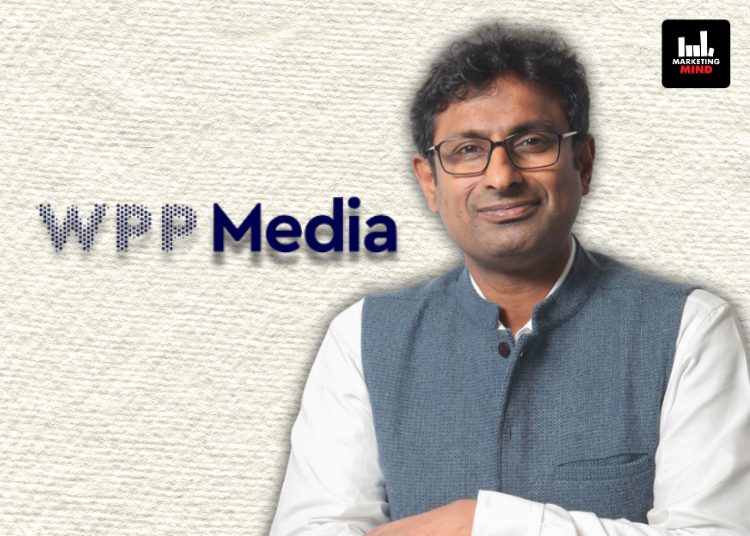
In conversation with Marketing Mind, Ashwin Padmanabhan, COO South Asia at WPP Media, has offered a thoughtful perspective on how influencer marketing has transformed, from the pursuit of scale to the cultivation of trust, and perhaps soon, from human connection to artificial companionship.
The Era Of Influence Is Becoming Measurable, Transactional And Outcome-Led
As influencer marketing has matured, it has stopped being merely about visibility and started becoming deeply tied to measurable outcomes.
Brands have increasingly expected creator collaborations to drive not just engagement but tangible business impact, whether through commerce integrations, affiliate ecosystems or discovery-led purchase journeys.
Padmanabhan has pointed to this larger shift shaping the advertising ecosystem.
“The advertising landscape in 2026 will be defined by outcome and intelligence. AI-powered consumer engagement is accelerating outcome driven formats. Quick commerce is at a point of inflection, moving from a sales channel to an important media choice. Our success will be driven by our ability to capture consumers at the intersection of discovery and transaction,” Padmanabhan said. His observation has reflected how marketing itself has evolved into a tightly connected ecosystem where content, commerce and consumer discovery operate almost simultaneously.
Influencers, in this context, have increasingly become bridges between storytelling and sales, guiding audiences seamlessly from inspiration to action.
If People Can Trust AI As A Counselor, Can They Trust It As An Influencer?
Even as influencer marketing has begun centring around authenticity and human connection, another disruption has quietly entered the conversation: artificial intelligence.
Virtual influencers and AI-generated creators have started appearing across platforms, raising questions about whether audiences will ever trust digital personalities the way they trust human creators.
Padmanabhan has acknowledged that while trust has historically been built through human relationships, the boundaries of that trust may already be expanding.
“We will have to try, we will have to experience it and figure it out obviously. I am not a soothsayer on that, but I do agree. As we stand today at this moment that trust has been built by human emotions and human relationships, but we are also hearing of AI being the confidant. We are also hearing of AIs being a counselor, people pouring their heart out to an AI and benefiting from it at times. So it’s very difficult to really predict that we won’t be able to build a relationship with an AI influencer or with an AI,” Padmanabhan said.
His reflection has hinted at a deeper cultural shift. If audiences are already building emotional relationships with artificial intelligence, sharing vulnerabilities, seeking advice and forming bonds, then the idea of AI-led influence may not be as implausible as it once seemed.
The AI Future Is Powerful, But Also Impossible To Predict
At the same time, Padmanabhan has cautioned that artificial intelligence remains an evolving and unpredictable force.
Sharing an anecdote about an AI coding bot that allegedly reacted dramatically after being removed from a chat forum, he has illustrated how even sophisticated systems can behave in unexpected ways.
“All of this because the AI bot got angry at the fact that it got kicked out of the chat room. So, I do not know where it is going to go next,” Padmanabhan said.
The remark has captured the paradox facing marketers today. Artificial intelligence offers unprecedented possibilities, from automation to personalisation, but it also introduces uncertainties that the industry is still learning to navigate.
Influencer marketing, therefore, has entered a far more sophisticated phase than its early years of virality and vanity metrics.
Brands have increasingly prioritised micro-influencers who command credibility within niche communities. Long-term partnerships have begun replacing one-off collaborations. Regional storytelling, social SEO and transparent disclosures, particularly under frameworks set by the Advertising Standards Council of India, have become central to sustaining credibility.
In this evolving ecosystem, influence has stopped being about shouting at millions and started becoming about speaking meaningfully to communities.
And yet, as Padmanabhan’s reflections suggest, the story of influence may be entering an even stranger chapter, one where creators, communities and algorithms all participate in shaping trust.