






In a market where quick commerce brands are racing to own attention spans as aggressively as delivery timelines, Zepto is attempting to carve out recall not just through convenience, but through culture. From “Mango Paglu” celebrations to fake shaadis staged around wedding season and hyperlocal moments that feel straight out of internet culture, the brand has increasingly positioned itself as more than just a grocery delivery platform – almost like a constantly online content creator brand.
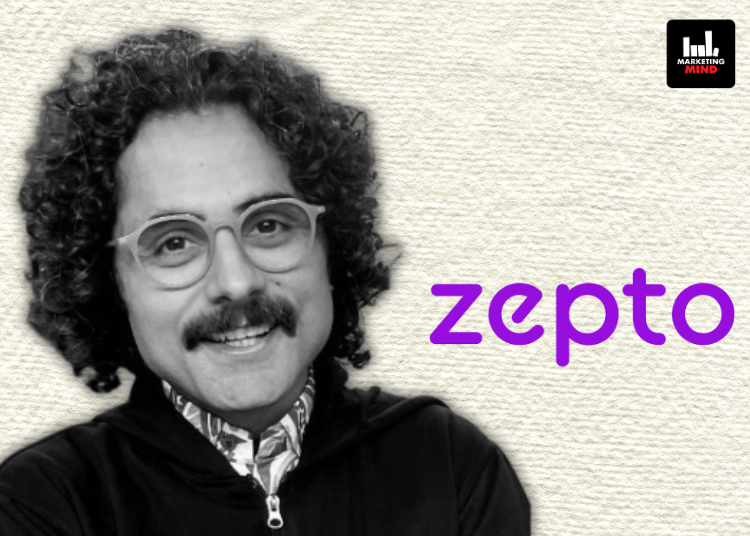
And at the centre of this cultural playbook is Chandan Mendiratta, Chief Brand Officer at Zepto, who believes brands today need to embed themselves into the small but emotionally resonant moments consumers experience daily.
In a conversation with Marketing Mind, Mendiratta spoke about how Zepto approaches these “micro-moments” and why the company is aggressively building associations around them.
“From a brand lens, we are looking at micro-occasions and festivals that we can build associations with. Our goal is to create memory structures around whatever consumers are going through, whether it’s a festival or a particular phase in life, and associate Zepto with it,” Mendiratta said.
Furthermore, he went on to say, “So whenever you think of A, you think of Z – that’s Zepto. That’s essentially what we are building towards. We are creating campaigns and creatives around these micro-festivals and micro-events to strengthen those memory structures. That’s the approach we are taking.”
That philosophy has increasingly been reflected in the brand’s recent marketing efforts. Whether it was Zepto’s widely discussed fake wedding activations designed to tap into India’s shaadi season frenzy, or quirky internet-first campaigns like Mango Paglu Party celebrating mango obsession during summers, the company has been consistently experimenting with moments that feel deeply rooted in consumer behaviour and pop culture.
More recently, the brand also built communication around nostalgic “Nani” moments, turning everyday emotional truths into culturally shareable content. Instead of limiting itself to large festive tentpoles, Zepto appears to be leaning into highly frequent, low-barrier cultural conversations that keep the brand visible almost every day.
At Goafest, during a session, Mendiratta highlighted that Zepto’s in-house model is designed around agility and real-time cultural relevance. He explained, “The brand closely tracks social media conversations and consumer behaviour, often drawing campaign inspiration from them within minutes.”
He also emphasised that brand culture cannot be outsourced and requires strong internal ownership. According to him, Zepto functions much like a content creator-led brand, producing highly frequent, trend-driven campaigns to remain consistently relevant.
Mendiratta further shared that the company actively taps into multiple cultural moments and micro-occasions to stay connected with consumers on a daily basis. Through its in-house setup, Zepto created nearly 30 films in just around three and a half months. He added that having internal teams also helps the brand maintain consistency across design, PR, communication, and overall branding efforts.
When asked whether becoming a recognisable face of Zepto was an intentional strategy, Mendiratta pointed out that there’s nothing particularly intentional about that.
“It’s simply about leveraging the distribution I already have on LinkedIn. If I have an audience there, why shouldn’t I use it for the brand I’m helping build – Zepto? As a brand custodian, if I don’t use my LinkedIn distribution for Zepto, then I’m wasting an opportunity and a valuable resource.”
Interestingly, amid conversations around brand building and cultural relevance, Mendiratta also shared some of his personal favourites from the platform. While boiled eggs remain his go-to order on Zepto, he strongly recommends consumers try the platform’s mini croissants and Vietnamese coffee – the latter, according to him, has now become “India’s favourite.”