



Ask ten people what marketing means and you will get ten different answers. Textbooks offer frameworks. Social media offers opinions. AI bots offer everything at once. But strip away the jargon and the common thread holds: marketing is the art of making people care about a product, a story, a feeling, or an idea. Something just enough to choose it, remember it, and come back.
What has changed is not the motive but the playground. Technological disruption, shifting consumer expectations, and an ever-noisier market have forced brands to constantly reinvent how they show up. The ambition, however, remains unchanged.
The Framework That Started It All
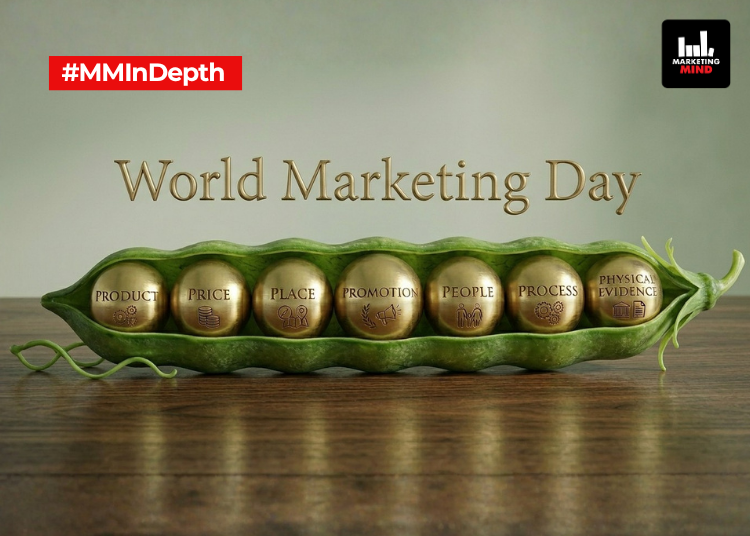
In 1960, E. Jerome McCarthy introduced the 4 Ps of the marketing mix in his book ‘Basic Marketing: A Managerial Approach’: Product, Price, Place, and Promotion, the four levers that, if pulled correctly, could move markets. Three decades later, Robert F. Lauterborn reframed the same model through the consumer’s lens, proposing the 4 Cs: Customer, Cost, Convenience, and Communication. In 1981, Bernard H. Booms and Mary J. Bitner expanded the original four into seven, adding People, Process, and Physical Evidence to account for the growing service economy.
Philip Kotler, widely regarded as the father of modern marketing, built on these pillars further, proposing that the mix must adapt alongside the market it serves. The frameworks kept evolving. But their DNA remained the same.
The 7 Ps, Illustrated
1. Product
A product is more than the object in the box. It is the bundle of benefits a company assembles to meet a customer’s needs. As those needs shift, the product must evolve with them, through new versions, better guarantees, or richer digital extensions like support apps and tutorials.
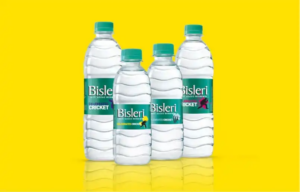
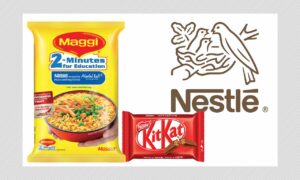
Nestlé in India is a masterclass in this. Under a single brand umbrella, it manages a portfolio that spans indulgence (KitKat, Munch, Milkybar), daily household staples (Milkmaid), and infant nutrition (Cerelac). Each product targets a distinct life stage and need, yet all carry the implicit trust of the Nestlé name. Maggi, perhaps its most iconic offering, is a case study in product resilience, a two-minute noodle that survived a national recall crisis, reformulated, and returned to market dominance. Similarly, Bisleri has made bottled water into a recognisable, trusted product simply by making the container itself part of the brand identity.
2. Price
Price is the only element of the marketing mix that generates revenue. Everything else is cost. Getting it right means balancing what the market will bear, what competitors are charging, and what the price signals about the brand’s position.
Centre Fresh gum held its price at Rs 1 for years, a deliberate strategy that made it the default impulse buy at every counter and kiosk. That single rupee built a habit. Ship matchsticks took a similar approach: a product so basic, so price-stable, and so ubiquitous that its brand name became synonymous with the category itself. Both brands understood that in a price-sensitive market, holding the line can be its own form of brand equity.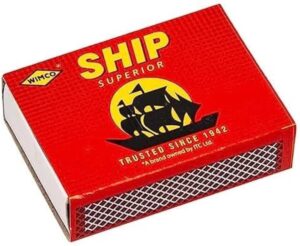
3. Place
Place is about more than geography. It is about being present exactly where the customer is ready to buy, whether that is a physical shelf, an app, or the booth at the end of their street.
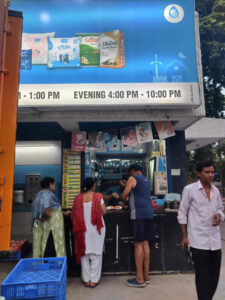
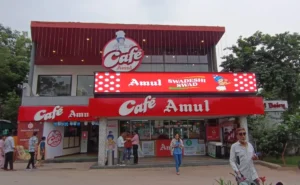
Mother Dairy and Amul understood this before the term ‘hyperlocal’ entered the marketing lexicon. By placing branded booths inside gated societies and residential colonies, they removed the friction between craving and purchase entirely. The customer did not need to plan a grocery run. The milk came to them. It started with distribution as a service, long before that idea had a name.
4. Promotion
Promotion is how a brand speaks to its audience through advertising, PR, social media, or events. The best promotion does not feel like a promotion at all.
Red Bull is the global gold standard here. Rather than advertising energy drinks to people who might need one, the brand built an entire identity around extreme sports and adrenaline culture: Formula One, cliff diving, stratospheric freefall. In India, it replicated this model through grassroots community-building: campus events, nightlife activations, student ambassador programmes. The drink followed the culture. The culture became the brand.

5. People
In service-led businesses, the people behind the counter are the product. Their knowledge, attitude, and enthusiasm either deliver or destroy the brand promise.
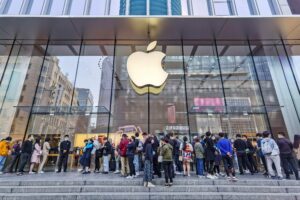
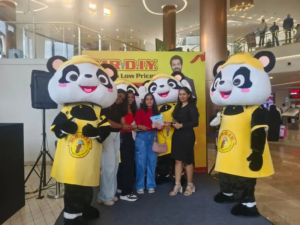
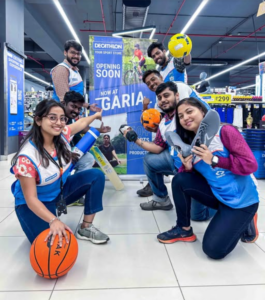
Apple Stores are built around this philosophy. Staff are trained not to sell but to solve, to understand what a customer actually needs and guide them there. Decathlon operates on a similar ethos: the shop floor is staffed by sports enthusiasts, not just salespeople. MR. DIY, the home improvement chain, has extended this further across Asian markets by hiring associates who can walk customers through a project from start to finish. In all three cases, the interaction with a person is what turns a transaction into a relationship.
6. Process
Great marketing promises something. Great process delivers it. The steps between a customer’s decision and their satisfaction, judging how fast, how smooth, how reliable, are all process questions.
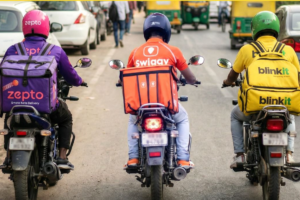
India’s quick commerce platforms have built entire businesses on process excellence. Zomato, with Blinkit and Bistro; Swiggy, with Instamart; and Zepto have collectively rewired consumer expectations around delivery time. Ten minutes went from aspirational to standard. That shift did not happen through advertising. It happened through relentless operational engineering: micro-warehouses, algorithmic routing, and real-time inventory. The promise was bold. The process made it real.
7. Physical Evidence
Physical evidence is how an intangible experience becomes tangible. It is the cue that tells a customer, before they have bought anything, what the brand stands for.
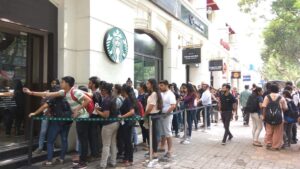
No brand has engineered this more deliberately than Starbucks. The green apron. The handwritten name on the cup. The particular acoustic warmth of its stores. The smell that hits you before you reach the counter. Each is a designed signal that says: this is a place worth lingering in. Before the first sip, the experience has already begun.
While countless brands have adapted to the seven frameworks over the decades, a handful have done something rarer — they have made the frameworks invisible. The execution is so seamless that what you experience is not marketing, but memory.
Coca-Cola is the clearest example. Its product is elemental. Its price, accessible to almost anyone, almost anywhere. Its place: over 200 countries, which means it is easier to list where Coca-Cola is not. Its promotion has produced some of the most enduring advertising in history. Its people and processes keep a famously consistent product moving at an impossible scale. And its physical evidence may just be the most recognisable sensory signature in consumer goods. Every P, accounted for.
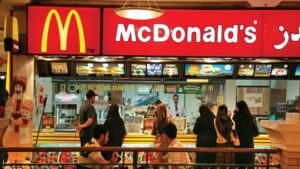
McDonald’s also built its legend differently, but arrived at the same destination. The red and yellow. The smell of fries before you’ve seen the counter. The burger that tastes, somehow, exactly as you remembered it. McDonald’s understood early that consistency is its own form of excellence, and that nostalgia, once earned, is the most loyal customer of all. Across ages, nations, and an extraordinary range of taste preferences, it proved that the right mix, held steady and executed well, becomes something more than marketing.
Conclusion
The 7 Ps have evolved since McCarthy first sketched the original four in 1960. They will likely keep evolving, shaped by AI, by shifting consumer values, by distribution channels that do not yet exist. But the core impulse behind every framework remains unchanged: understand what your customer needs, show up where they are, and give them a reason to come back.