




Makeup in India is no longer the preserve of metropolitan beauty counters or glossy magazine spreads. Today, it is a personal language of self-expression, shaped by social media, creator-led tutorials, and peer influence. Consumers want products that suit their skin type, their lifestyle, and their sense of identity, whether they live in bustling cities or smaller towns. Beauty is about accessibility and confidence as much as it is about aspiration.
In this landscape, Mars Cosmetics has built its identity around a simple idea: “makeup for everyone”. The brand focuses on offering products that are relevant to a diverse audience, combining practicality with inclusivity. Its presence extends beyond major cities, reflecting the growing appetite for beauty that is affordable, relatable, and tailored to local contexts.
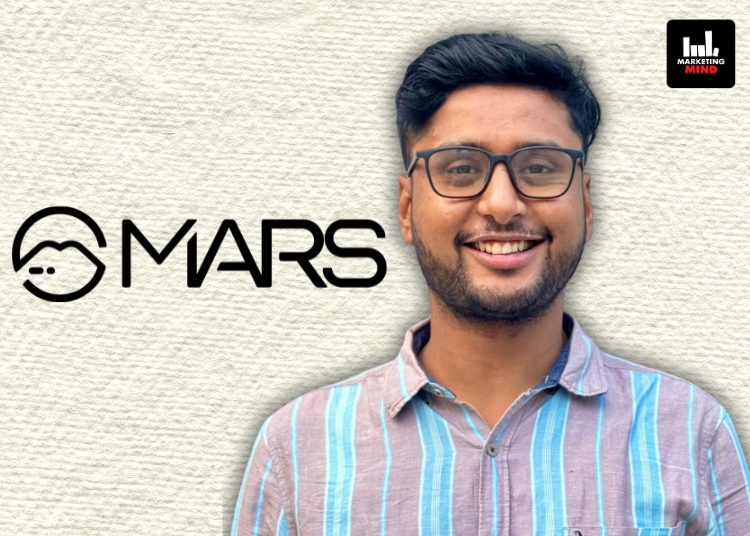
At the centre of this vision is Anmol Sahai Mathuur , Vice President – Marketing at Mars Cosmetics. With extensive experience in digital strategy, consumer insights, and creator-driven marketing, Mathuur is guiding campaigns and initiatives that resonate with audiences across India. His work seeks to balance the aspirations of urban consumers with the practical needs of those in smaller towns, making beauty both inclusive and meaningful.
Philosophy in Practice: Accessibility, Inclusivity, and Aspiration
Mars Cosmetics’ philosophy of “makeup for everyone” is reflected across its product development, campaigns, and distribution strategy. According to Mathuur , the brand’s affordability positioning does not come at the cost of product performance or consumer experience. Explaining the company’s value-led approach to pricing and product development, he said, “Our prices are very affordable, but that doesn’t mean our product quality is low. We ensure that the quality exceeds the value charged to the consumer.”
Alongside pricing, ensuring physical and digital availability across markets remains central to the brand’s strategy. As beauty consumption continues to expand beyond metro markets, the company is working to strengthen its presence in emerging cities and towns. Highlighting this distribution focus, Mathuur said, “The products should reach consumers beyond metros. We need to drill down and ensure availability across tier 2 and tier 3 cities, which is the next level of growth.”
Another pillar of Mars Cosmetics’ philosophy is inclusivity, particularly in addressing the diversity of Indian skin tones. The company has been working toward expanding shade ranges and product offerings to cater to a broader consumer base. Discussing the importance of representation within product development, Mathuur said, “We want to offer shades and products that work for diverse skin tones. Usually, a makeup brand cannot do this on a large scale, but we are determined to reach that.”
At the same time, the brand aims to retain an aspirational appeal despite operating within the affordable segment. Consumers today seek products that combine affordability with excitement, quality, and global appeal. Reflecting on this evolving consumer mindset, Mathuur said, “Consumers do not want to compromise when choosing an affordable brand. They want something that feels exciting and global. Our aim is to remove price barriers without removing the joy or quality of beauty.”
Understanding the Consumer from Inside and Outside
Mathuur believes that understanding consumer perception from multiple vantage points has helped refine the company’s marketing approach. Reflecting on how his earlier exposure outside the organisation shaped his perspective on brand positioning and consumer expectations, he explained, “Being outside helped me understand how consumers perceive our brand. It made me more customer-first in decision-making.”
This consumer-first perspective influences how the brand approaches product differentiation, content creation, and distribution planning. According to Mathuur, each stage of the consumer journey requires careful alignment to ensure relevance and consistency. Describing this structured approach, he said, “It starts with the product. What is the differentiator, what is the advantage that we give the marketer? Then it gets into marketing, how can we differentiate in terms of content, creators, aesthetics and visuals. Then it also comes down to distribution and sales and how we enhance the customer experience.”
Mars Cosmetics has also focused on the aspirations emerging from smaller towns, recognising that ambition and beauty awareness are not limited to metro audiences. Campaigns are therefore designed to reflect regional contexts while maintaining the brand’s visual and experiential standards. Explaining this strategy, Mathuur said, “Consumers in small towns are equally aspirational. The only thing is they don’t have access. So we adapt our campaigns by featuring regional creators, regional nuances and real-life content while maintaining high visual standards.”
Beyond communication, improving retail accessibility has also been a key component of the company’s expansion. Strengthening retail networks, kiosks, and distribution channels ensures that consumers can access products easily in their local markets. Elaborating on the importance of combining marketing with operational reach, Mathuur said, “It is a combination of communication and accessibility. The brand resonates without diluting its identity when consumers can access it locally.”
AI and Technology Enhance Consumer Experience
Technology plays an increasing role in enabling the brand to respond to consumer needs and trends more efficiently. Digital tools are being used not only to enhance the shopping experience but also to support operational agility across the organisation. Explaining how technology improves consumer interaction, Mathuur said, “Virtual try-ons and shade recommendation tools reduce friction for consumers. Beauty is emotional and personal, so we balance technology with human-led tutorials, content, and community engagement.”
AI is also used internally to support demand forecasting and inventory management. These insights allow the brand to react quickly to changing beauty trends and social media-driven demand cycles. Describing the role of technology in enabling faster product launches, Mathuur said, “We use AI to forecast trends, reduce stock-outs, and respond quickly to consumer behaviour. That’s why we launch 2–3 products every month, ensuring availability when trends go viral.”
Influencer Marketing and Precision
Influencer collaborations form a significant part of Mars Cosmetics’ marketing strategy. The company segments creators across tiers to ensure balanced reach and authenticity. The allocation of budgets across different influencer categories allows the brand to target multiple audience groups effectively. Outlining this distribution model, Mathuur said, “We allocate 30–35% of the influencer budget to micro and nano creators, 20–25% to B-tier influencers, and the rest to A-tier creators. The focus is always on relevance and authenticity rather than reach alone.”
Smaller creators in particular are seen as important drivers of trust and engagement within communities. Their close connection with audiences often leads to stronger credibility compared with large-scale celebrity endorsements. Highlighting this shift toward community-driven influence, Mathuur said, “Big creators are saturated. Micro, nano, and regional creators build trust with their audience. Their engagement and alignment with our brand drives a more meaningful impact.”
Mars Cosmetics’ marketing strategy also focuses on creating a seamless consumer journey across online and offline touchpoints. As consumers interact with brands through multiple platforms before making a purchase decision, consistency across channels becomes critical. Explaining this integrated approach, Mathuur said, “Consumers don’t think in channels they think in moments. Discovery may happen online, trial at a pop-up or in-store, and purchase wherever convenient. Every touchpoint reinforces the brand promise and visual identity.”
Community engagement further strengthens the brand’s connection with regional audiences. Localised campaigns, regional creator collaborations, and language-specific content help consumers see themselves reflected in the brand’s storytelling. Discussing the role of culturally relevant marketing initiatives, Mathuur said, “Region-specific channels, local language content, and campaigns tied to cultural events help consumers see themselves in the brand. That builds loyalty.”
Looking ahead, the company is also exploring opportunities to expand its product portfolio. The focus remains on identifying unmet consumer needs rather than simply entering new categories. Sharing this forward-looking strategy, Mathuur said, “We want to enter skincare and other product lines, identifying gaps rather than becoming just another brand. Good products, affordability, and high quality remain our priorities.”
Growth, Strategy, and Future Readiness
Mars Cosmetics is focused on expanding its reach while maintaining a balance of aspiration, accessibility, and inclusivity. Its strategies for tier 2 and tier 3 cities aim to ensure that local audiences feel connected and represented while retaining the brand’s overall premium yet approachable identity. By tailoring campaigns to regional contexts, the company seeks to build meaningful engagement beyond metropolitan markets.
Influencer marketing, community-driven initiatives, and omnichannel integration continue to strengthen the brand’s presence. The segmentation of creators, experiential campaigns, and consistent messaging across channels enable Mars to connect with diverse consumer segments effectively and authentically.
Technology and data remain central to the brand’s future strategy. AI tools, real-time insights, and community feedback allow Mars to forecast trends, reduce stock-outs, and respond rapidly to changing consumer behaviour. Combined with a focus on product quality, inclusivity, and aspirational positioning, these strategies position Mars Cosmetics for sustained growth within India’s evolving beauty market.