




For years, skincare marketing thrived on aspiration. Before-and-after photographs, miracle claims, and influencer endorsements promising overnight transformations shaped how consumers discovered and bought products. The formula was simple: create desire, amplify it through visibility, and convert it into sales.
But as access to information grew, so did consumer scepticism. Audiences began questioning the narratives they had long accepted at face value.
Today’s skincare consumer is more informed, ingredient-conscious, and willing to do their own research before making a purchase. Credibility is increasingly outweighing virality, and consumers are seeking explanations rather than exaggerated promises.
As preferences evolve, marketers are being forced to adapt. The playbook is shifting from hard-sell tactics to education-led engagement, from broad messaging to personalised guidance, and from building aspiration to enabling informed decision-making.
At the same time, technologies such as AI-powered recommendations and digital consultations are reshaping how consumers access care. Brands are discovering that winning attention may get them noticed, but earning trust is what keeps consumers coming back in this redefined era.
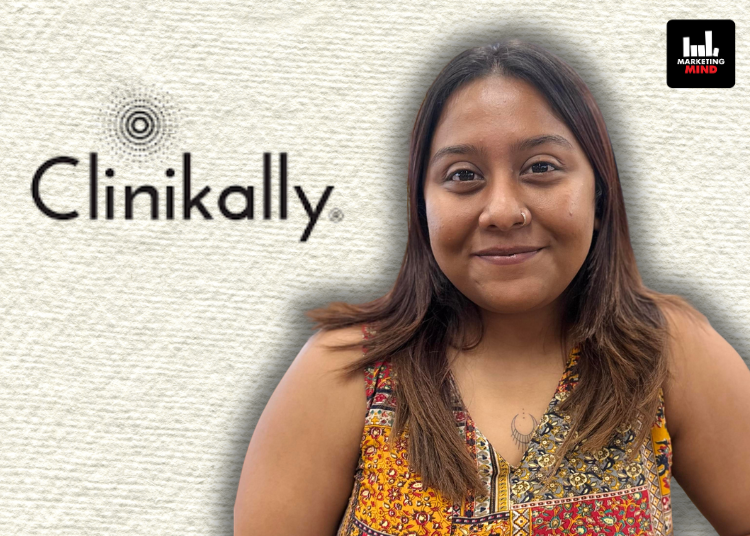
Offering seasoned insight on the changing dynamics, Isha Godboley, Head of Marketing at Clinikally, spoke to Marketing Mind about navigating this shift through science-backed storytelling, educational content, and expert-led guidance. She shared how the dermatology-first platform is balancing innovation with trust while redefining what effective healthcare marketing looks like today.
The Consumer Radar Is Always On: How Skincare Brands Are Losing the Scroll
It used to be that a confident influencer, a glowing complexion, and a discount code were enough. But this isn’t the case anymore.
Godboley noted that the shift has been both swift and structural. “The consumer’s radar is always on,” she said. “They can sense an ad from a mile away. And if there is someone who’s breaking that norm and just giving them information, not asking them to do much, they do tend to take notice.”
Her prediction for where this is heading was unequivocal. “Half a decade from now, I’m pretty sure that nobody’s going to listen to an influencer if they say, buy this serum and it’s going to give you glow in two days. Nobody’s going to believe that,” she observed.
Education Over Conversion: The Counter-Intuitive Marketing Bet That Paid Off
When Clinikally launched a campaign built almost entirely around ingredient education, the internal reaction was sceptical.
“We launched a campaign and people thought, this is just such an educational campaign, but this is not going to drive numbers,” she recalled. “But then six months down the line, it actually did start putting up numbers.”
The philosophy behind the approach was deliberate. “If we manage to just educate people and not try to hard sell too much, the audience we have built keeps coming back and keeps giving us the revenue,” Godboley said. “Education has to be the first and foremost thing. If that converts into revenue, great. But even if it does not convert into immediate numbers, we would still be okay with that.”
Today, approximately 80% of Clinikally’s content output is educational, covering everything from pregnancy-safe ingredients to helping users identify their skin type and scalp concerns.
The Promises and Pitfalls of Hyper-Personalised Skincare
Personalisation has become the holy grail of digital health, and Clinikally has leaned into it through an AI-powered skin analysis tool that sits at the top of the user journey.
“We always ask you to at least get a skin analysis done,” Godboley explained. “It takes barely a couple of minutes, it’s completely free. And once you get that result, you are more informed when you’re making a decision.”
But she was candid about where the technology still falls short. “Sometimes the skin analysis is not accurately picking up what concerns the user is having,” she acknowledged. “That is when the dermatologist layer comes through for a second opinion.”
Rather than allowing the algorithm to be the last word, Clinikally nudges users with more serious concerns toward consultations with experts. “The more hyper-personalised you try to become, there would still be one or two things that you would miss that might break the customer experience down the line,” Godboley noted.
From Aggregator to Authority: Building a Healthcare Brand in a Scroll-First World
Clinikally’s founding story is rooted in a simple insight: there was a gap between access to dermatologists and the number of people who needed them.
“We need to come up with something that bridges the gap between accessing a dermatologist, even if you are in a tier two or tier three, and you can access them from the comfort of your home,” Godboley said.
The model that emerged integrated consultations, prescriptions, and product access into a single experience. “You have a problem, you speak to a dermatologist, you get the products, all in one seamless form,” she said.
The positioning, she emphasised, was never about becoming another e-commerce aggregator. The ambition was clinical authority, built through educational consistency and the credibility of its dermatologist network.
How India’s Skincare Consumer Grew Up
Perhaps the most significant shift Godboley described was not in the brand, but in the consumer.
“If you ask the 2020 or 2021 version of me, what did I do to prevent sunburn? I would just tell you that I slapped sunscreen without thinking if that sunscreen was working out for me or not,” she said. “I used to go for the highest SPF level because I thought more SPF meant more protection. That was a very big myth.”
That kind of unquestioned habit is increasingly giving way to something more considered, with consumers seeking to understand the causes behind their concerns instead of masking symptoms.
“People are going in a holistic way in that they are taking care of their body as a whole,” she said. “Their wellness and fitness journeys have gotten better. They are doing a lot of preventative things.”
At the same time, persistent myths remain. “Layering one active on top of the other is only going to end up burning your skin,” she added. “People seem to just hold on to that notion very dearly.”
But the direction of travel, she suggested, is unmistakable. Skincare in India is shifting from aspiration to intervention, and the brands that survive the next decade will be the ones that help consumers understand the difference.