





Somewhere between gourmet pet meals, dog birthday parties, and Instagram accounts with more followers than their humans, India’s pet care landscape has quietly evolved into something far more layered than a transactional category. It’s no longer just about feeding or grooming – it’s about identity, companionship, and shared routines that shape everyday life. In this shifting cultural moment, brands are being pushed to move beyond surface-level affection and tap into something deeper, more intentional, and far more human.
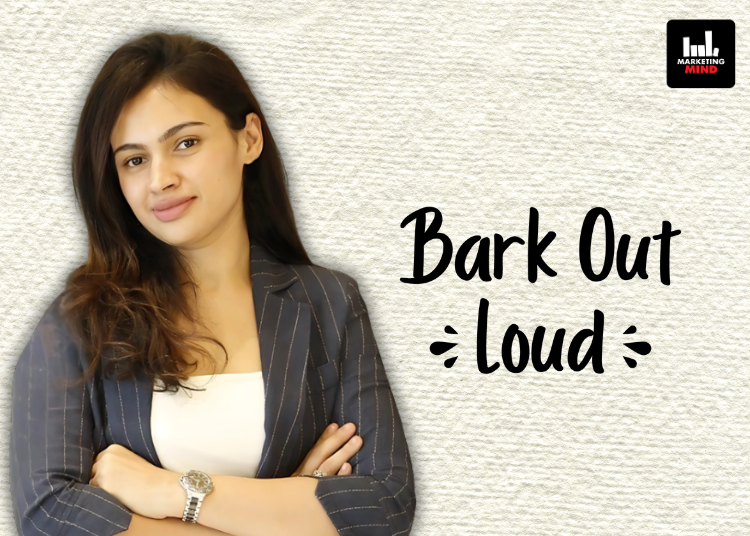
That’s where players like Bark Out Loud by Vivaldis are attempting to redraw the narrative. Through its recently unveiled #ThriveSharedJourney campaign with actor Huma Qureshi, the brand leans into the idea that modern pet parents aren’t “owners” in the traditional sense, but companions navigating growth alongside their pets.
View this post on Instagram
As Devika Khanna, Business Head of Bark Out Loud by Vivaldis, suggests, the shift isn’t just semantic – it reflects how pets are increasingly influencing routines, wellbeing, and even lifestyle choices, making the relationship far more dynamic than it once was.
At the same time, this evolution is forcing brands to rethink how they communicate value. While love remains a given, the conversation is expanding towards wellbeing, trust, and informed decision-making – without losing emotional resonance. For Bark Out Loud, that means balancing science with storytelling, and credibility with relatability, in a space where today’s pet parents are as discerning as they are devoted.
And as the category becomes more crowded and content-heavy, the real challenge lies in building something that lasts beyond momentary engagement. Whether it’s resisting short-term growth hacks or focusing on deeper consumer intent, the larger play is clear: in a market driven by both emotion and awareness, long-term brand equity will depend on how well brands can bring together product, narrative, and community – without compromising on any.
When asked how #ThriveSharedJourney reframes pet care as a relationship, and the key human insight that led to the shift from “pet ownership” to “shared growth,” Khanna explained that the biggest insight was simple but powerful. Today’s pet parents don’t see themselves as owners, they see themselves as companions growing alongside their pets.
“The relationship is deeply emotional, but also evolving. Pets are shaping routines, mental wellbeing, and even lifestyle choices. Once we saw that, it was clear that “ownership” felt outdated. What truly resonated was the idea of growing, learning, and thriving together,” she added.
While many pet brands focus on “love,” Bark Out Loud by Vivaldis has chosen to centre its narrative around “wellbeing.” Khanna highlighted the challenge of making this emotionally compelling without it coming across as clinical.
“For us, wellbeing isn’t a functional promise, it’s an emotional outcome. A healthier pet is a happier, more active companion, and that directly impacts the joy in a household. We focus on real-life moments; play, energy, bonding rather than ingredients and claims. The science stays in the product; the storytelling brings out the emotion,” she mentioned.
When asked about one behaviour of India’s new-age pet parents that brands continue to misunderstand, Khanna noted that many brands still assume pet parents are purely emotional decision-makers. In reality, they’re highly informed and intentional.
Furthermore, she pointed out, “They read labels, compare ingredients, and seek transparency. It’s no longer just about “treating” pets, it’s about making informed, long-term choices for their wellbeing.”
Furthermore, Khanna also delved into a key question for a category rooted in care and trust – what holds greater power: expert validation or community validation? She noted, it’s not either-or, it’s the interplay of both. Expert validation builds credibility, but community validation builds relatability and trust at scale. Today’s pet parent wants reassurance from vets, but they also want to see real experiences from people like them. The strongest brands are the ones that bridge both seamlessly.
With content-led marketing becoming ubiquitous, Khanna highlighted a key signal she looks for to determine whether content is truly building the brand rather than just driving engagement, noting, “We look at intent, not just interaction. Are people searching for us more? Are they coming back, exploring deeper, and eventually converting? Vanity metrics can be misleading, true brand-building reflects in recall, repeat behaviour, and organic conversations, not just likes or views.”
Furthermore, she went on to define Bark Out Loud’s sharpest point of differentiation in one uncomfortable truth about the category, saying that the uncomfortable truth is that a lot of products in the category are built for convenience, not necessarily for optimal pet wellbeing.
“Our differentiation lies in being uncompromising on quality while still making products accessible and relevant for Indian pet parents. We don’t chase trends, we build with intent,” she mentioned.
She also highlighted that as pet care becomes increasingly premium, it doesn’t have to mean exclusive, it can mean thoughtful, high-quality, and trustworthy.
“We focus on delivering real value at every price point, ensuring that more pet parents can access better nutrition and care. It’s about democratising premium, not diluting it,” Khanna added.
When asked about one marketing shortcut in the D2C/pet care space that she consciously avoids, despite its ability to deliver quick results, Khanna said, “Over-reliance on deep discounting. It can drive short-term spikes, but it erodes brand value and trust over time. We’d rather build a brand people choose for its merit than one they buy only when it’s on sale.”
Furthermore, Khanna also pointed out what brands today may be over-optimising for in the current marketing landscape, something that could be hurting long-term brand building, saying that is it performance metrics in isolation. When every decision is driven by immediate ROI, brands lose sight of long-term equity.
“Not everything valuable is instantly measurable – brand affinity, trust, and recall take time, but they are what sustain growth,” she said.
In conclusion, she also spoke about what will matter most in building a pet care brand going forward, product superiority, storytelling, or community, and where the real unfair advantage lies.
Khanna emphasised, “The future belongs to brands that can bring all three together. Product superiority earns trust, storytelling builds connection, and community drives advocacy. Our advantage lies in integrating theme strong product foundations backed by science, human-centric storytelling, and a growing, engaged community of pet parents who believe in what we stand for.”