




For years, the streaming business has operated on a simple premise: exclusivity wins.
If a platform spends money on a show, it wants that show to live inside its walls. The logic is straightforward. Exclusive content drives subscriptions, subscriptions drive revenue, and revenue justifies the content investment.
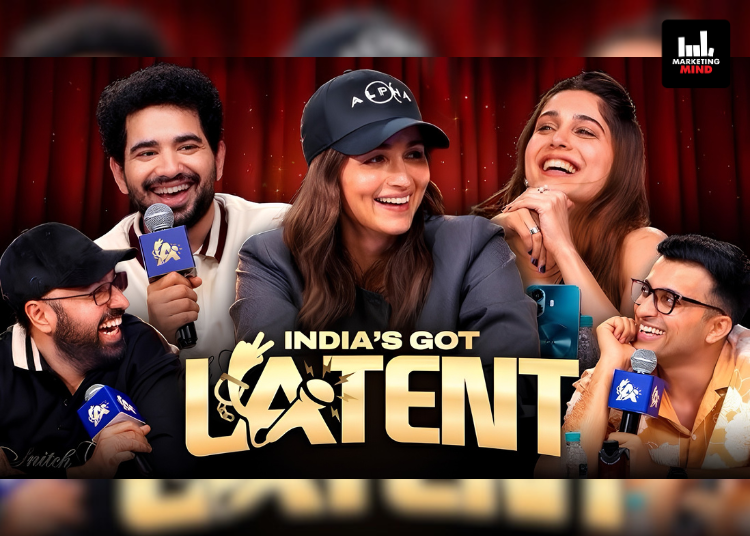
That is why what happened with India’s Got Latent feels so unusual. Season 2 is available on Netflix. It is also available for free on YouTube.
In an industry built around walled gardens, Samay Raina has somehow managed to keep a foot in both worlds.
At first glance, this might seem like a distribution decision. It isn’t.
It is a power shift.
Most creators spend years trying to get onto a major platform. Samay appears to have done something different. He built an audience so loyal that the platform became secondary to the community.
And that distinction matters.
Historically, creators have existed at the mercy of platforms. Build on YouTube, and you’re dependent on YouTube’s algorithm. Build on Instagram, and you’re dependent on Instagram’s reach. Build on any platform long enough, and you eventually realise you’re operating on rented land.
The platform owns distribution, controls discovery and decides visibility. India’s Got Latent represents a different model.
The audience isn’t showing up because YouTube recommended the show. The audience isn’t showing up because Netflix featured it on the homepage. They’re showing up because it is India’s Got Latent.
That might sound like a small distinction, but it fundamentally changes the economics of attention. For years, creators were told to leverage platforms to build audiences. Today, the smartest creators are using audiences to leverage platforms. That is exactly what makes this moment interesting. Netflix isn’t merely acquiring a show. It is gaining access to a community that already exists.
And from Netflix’s perspective, that may actually be the smarter bet.
Because forcing millions of viewers to migrate from YouTube to a paid platform comes with friction. People resist changing habits. They resist downloading apps. They resist subscription decisions. But allowing the show to continue thriving where it was born removes that friction entirely.
Instead of trying to relocate the audience, Netflix gets to participate in it. In some ways, the platform is benefiting from YouTube’s distribution engine while simultaneously strengthening its own catalogue.
That would have sounded counterintuitive a decade ago. Today, it feels increasingly logical. The internet has changed. Consumers are no longer platform loyal, they’re creator loyal.
People don’t wake up thinking, “I want to watch Netflix.”
They wake up thinking, “I want to watch Samay Raina.”
Or MrBeast.
Or CarryMinati.
Or Ranveer Allahbadia.
Or whichever creator they feel connected to. The creator has become the destination while the platform has become the vehicle. That reversal is perhaps the most important shift happening in the media today.
Which brings us to the bigger lesson for marketers. For decades, brands have spent enormous amounts of money buying attention, advertising, distribution, media placements and platform partnerships.
The goal was always the same: get in front of consumers.
But what if consumers actively sought you out instead? What if your audience followed you regardless of platform? What if your community was valuable enough that distributors wanted access to it?
That is where real leverage begins.
Because once your brand equity becomes strong enough, you stop negotiating for shelf space. The shelves start competing for you. This is why India’s Got Latent feels bigger than a comedy show.
It is a case study in audience ownership. Samay didn’t build a viral video, he built a habit. He didn’t build viewers but believers. And when that happens, traditional distribution rules start looking surprisingly flexible. The most valuable media property is no longer the one with the biggest budget.
It is the one with the strongest community.
Products attract customers. Communities attract platforms. That may be the most important lesson from India’s Got Latent’s return. Not that a creator landed on Netflix.
But that a creator became valuable enough to not have to leave YouTube behind.