







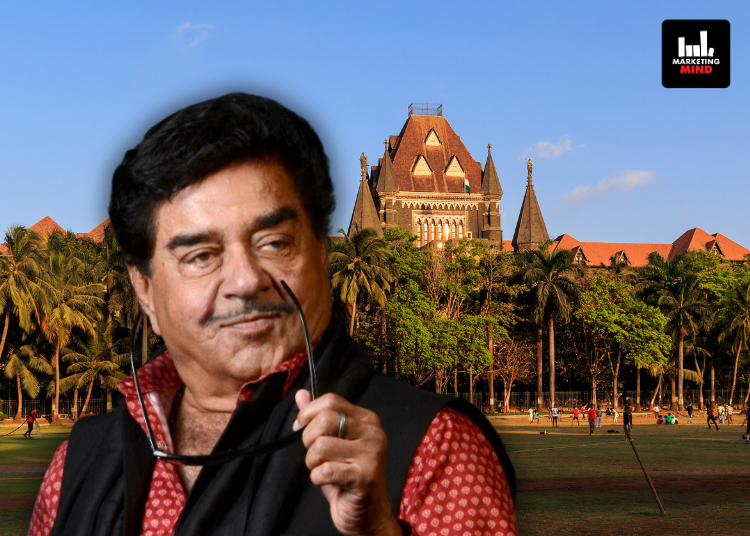
The Bombay High Court has restrained various social media, design, celebrity blogs, cartoon-sharing, e-commerce platforms, and unknown online entities from infringing or mimicking Bollywood actor Shatrughan Sinha’s unique dialogue delivery style and persona for fake endorsements or commercial purposes. The Court has passed an order protecting the 79-year-old actor’s name, likeness, image and persona from fabricated profiles and unauthorised commercial exploitation.
The High Court has issued the order last week in a John Doe commercial suit filed by Sinha, as per media reports. The interim order has restrained known and unknown entities from violating his Personality Rights and Publicity Rights, including misuse of his distinctive dialogue delivery and identity attributes.
In her February 16 order, Justice Sharmila Deshmukh has observed that Sinha has a unique style of dialogue delivery and is especially known for the manner of delivering the term “Khamosh”, which is widely recognised and associated with him. The Court has also noted that his screen persona has earned him the iconic screen name “Shotgun”.
The interim order, made available on Saturday, has noted that protection of personality rights can be prima facie traced to provisions of passing-off under the Trade Marks Act, 1999, and the moral rights protected under the Copyright Act. Sinha has sought relief against unknown persons and certain platforms, including a pornographic website.
Through his counsel Hiren Kamod, the actor has sought a permanent and mandatory injunction to restrain continuing infringement and unauthorised commercial exploitation of his personality rights. This has included protection over his real name, screen name, unique manner of dialogue delivery, likeness, voice, distinctive performance style, mannerisms and other identifiable attributes.
The Court has observed that prima facie material on record has demonstrated infringement of his personality rights through fake social media profiles impersonating him, digitally manipulated photographs using his persona, AI-generated content uploaded on multiple websites, false attributions, and pornographic AI-generated content tendered before the Court in a sealed envelope.
Kamod has submitted that Sinha’s personality attributes constitute valuable personality rights that have been commercially exploited without authorisation, and that the defendants are liable for the tort of passing-off. The actor has stated that his persona has been unlawfully used across multiple social media platforms without approval, resulting in serious infringement of his statutory and common law rights.
The Court has held that Sinha’s personality attributes are protectable elements of his personality right as well as right to publicity. It has further observed that the concept of personality rights has gained momentum due to unauthorised exploitation on digital platforms and social media for commercial gain, often resulting in dilution and tarnishing of an individual’s image.
Justice Deshmukh has noted that the present case is one such instance of misuse and unauthorised exploitation of the personality rights of a well-known individual. The order has also recognised Sinha as a well-known and renowned actor with a substantial body of work in the Hindi film industry, marked by awards and recognition, and has acknowledged his active involvement in national and regional politics as well as social and welfare issues.
The Court has observed that there cannot be any justification for misutilising Sinha’s personality for commercial exploitation, as it results in dilution and tarnishing of his image. It has also stated that creation of digital content without the authority of the actor and unauthorised exploitation violates his rights.