




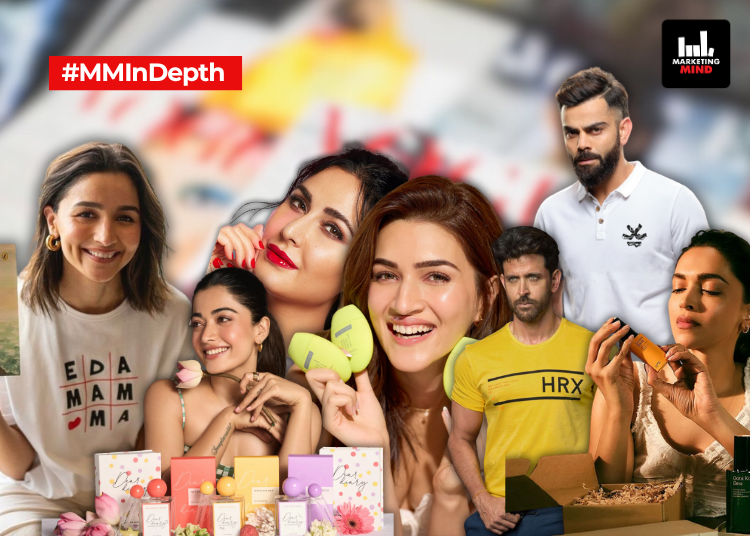
POV: You’re scrolling and boom, another celeb just dropped a brand.
No, you’re not imagining it. Every time you open Instagram, someone famous is launching something. A serum. An ‘inclusive’ athleisure line. A protein bar ‘inspired by their journey.’ And sure, it looks cute, comes in pastel packaging, and drops with a poetic caption like ‘built with intention, backed by science, born from love.’ But… real talk, who is actually buying this stuff? Do these brands even last beyond the launch-day hype and influencer seeding?
Welcome to 2025, where half of Bollywood has turned into brand founders and cricket captains are peddling sneakers with ‘grit’ and ‘legacy.’ But while the aesthetic is on point and the marketing is loud, we’re here to ask one thing. Are these brands actually working? Or are we just buying into the hype (and the jawline)? Let’s get into it, the hits, the misses, and the very expensive experiments behind India’s celebrity brand boom.
The Rise of the Star-Powered D2C Dream
India’s D2C (direct-to-consumer) market has been on a rocket ride over the last five years. According to Avendus Capital, it was worth $55 billion in 2023 and is projected to hit $100 billion by the end of 2025. A big catalyst behind this boom has been influencer culture. Nearly, as per a 2025 market analysis, 63% of Indian consumers say they are influenced by celebrity endorsements when purchasing fashion or beauty products, clearly indicating a stronger local impact than the often-cited global standard.
So when homegrown D2C beauty brands started clocking serious revenue without any A-list names, celebrities did what celebrities do best, they entered the chat. The probable logic? If micro influencers with 200k followers can build businesses, what’s stopping someone with 50 million?
When India Took Notes From Hollywood’s Beauty Playbook
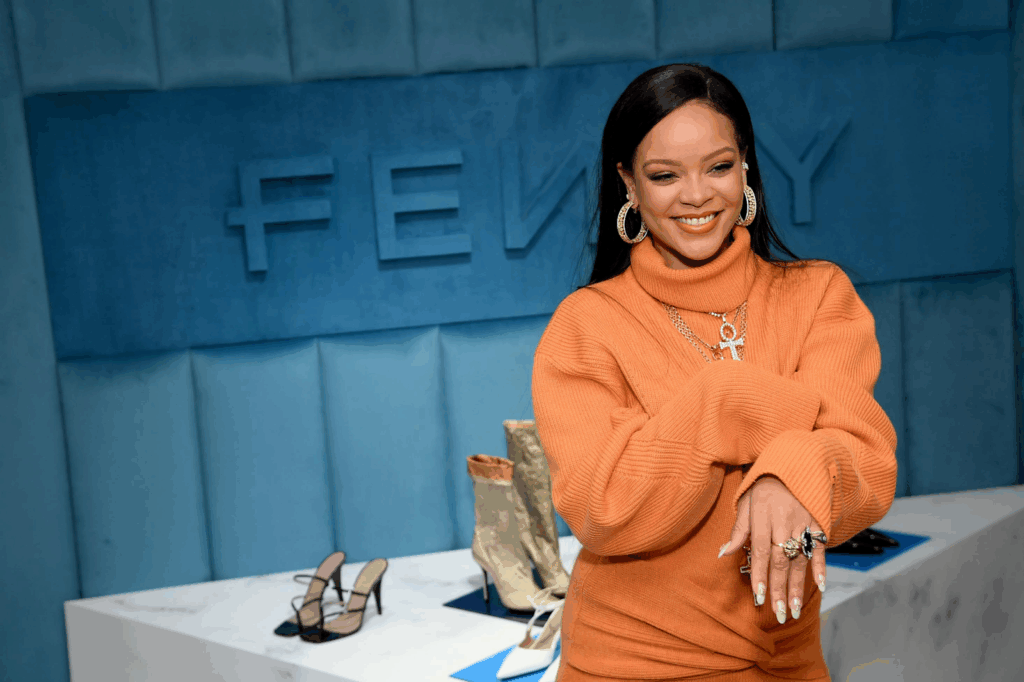
The blueprint came from the West. Rihanna’s Fenty Beauty didn’t just slap her name on a product, it rewrote the rules of beauty by prioritising inclusivity and product quality.
Kim Kardashian’s Skims made shapewear a conversation starter. Hailey Bieber’s Rhode Skin went minimalist and classy, and people loved the clean aesthetic and transparent formulations. These brands weren’t just marketing gigs; they were clearly the result of deep involvement and long-term vision. India tried to copy the model, but with our signature masala flair. Sometimes it worked, sometimes it flopped like a Monday release.
Celeb Clout Meets Business Brutality: Not Everyone Wins
Let’s look at the numbers. Kroll’s 2024–25 Celebrity Brand Valuation Report pegged the combined brand value of India’s top celebrities at a staggering $1.9 billion in 2023. Statista noted that the top 10 celebrities in India were part of 484 brand endorsements in 2023, up from 350 in 2019. And with influencer marketing expected to grow at a whopping 18% CAGR, touching Rs 3,000 crore by 2026, celebrity-backed brands are clearly not a passing fad.
Yet here’s the twist: In the D2C landscape, the scale of success remains narrow: India’s direct-to-consumer ecosystem encompasses over 11,000 brands, yet only 233 brands (or roughly 2.1%) have crossed the Rs 150 crore revenue mark, as per media reports.
Celebrity brands often smash through that ceiling in year one, but sustaining beyond the glitter is a whole other ballgame.
When Fame Flips and Flops Brands
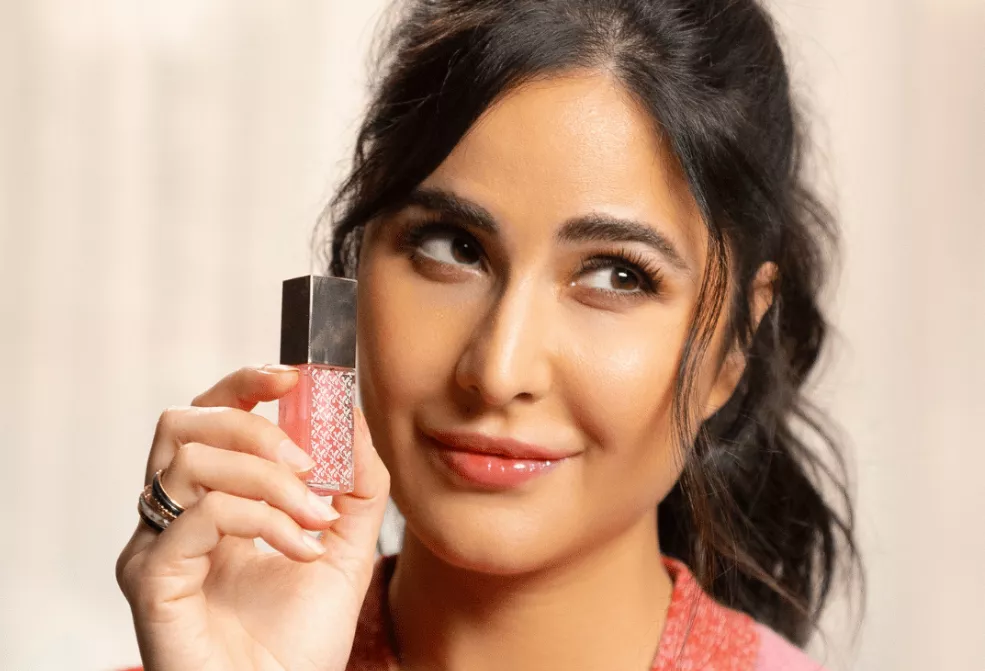
Take Kay Beauty for example. Launched in 2019 in partnership with Nykaa, Katrina Kaif’s makeup label has been one of the rare ones to mix substance with style. By the end of FY25, it had contributed nearly Rs 240 crore annually to Nykaa’s owned brands portfolio. It wasn’t just the star pull, it was the inclusivity-driven positioning, the genuinely good formulas, and a partner like Nykaa with deep retail muscle.
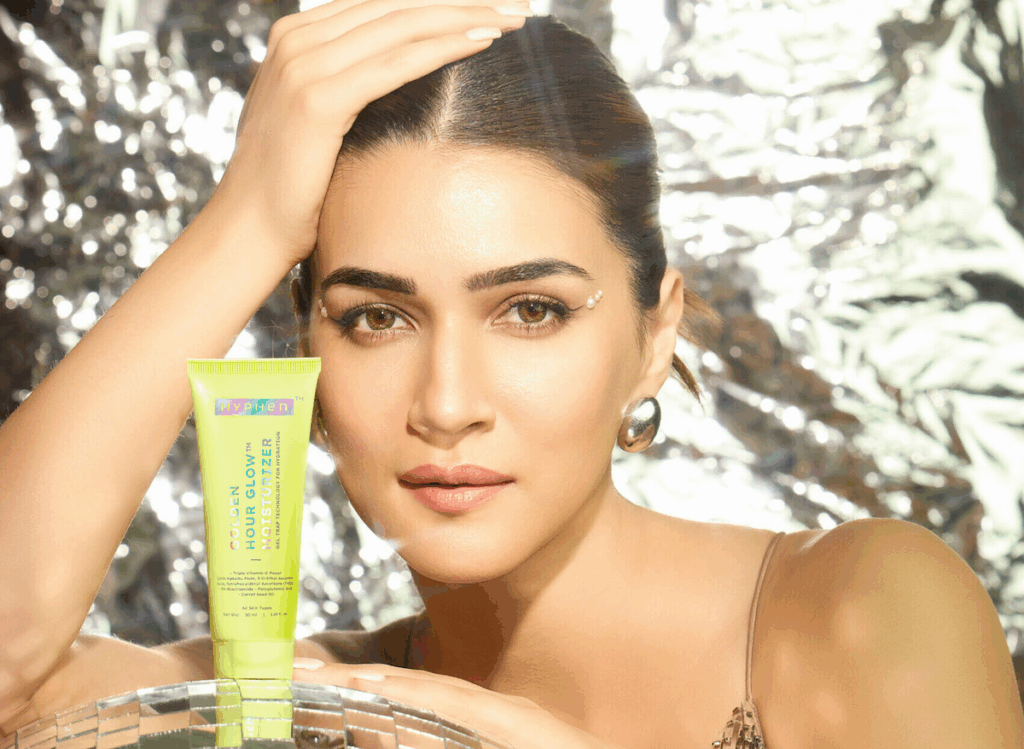
Kriti Sanon’s skincare label Hyphen, launched in 2023, has followed a similar trajectory, recently reporting Rs 400 crore in gross sales. With sleek branding, consumer engagement, and strong repeat customer rates (around 60%), Hyphen isn’t just riding on Kriti’s glow, it’s building its own.
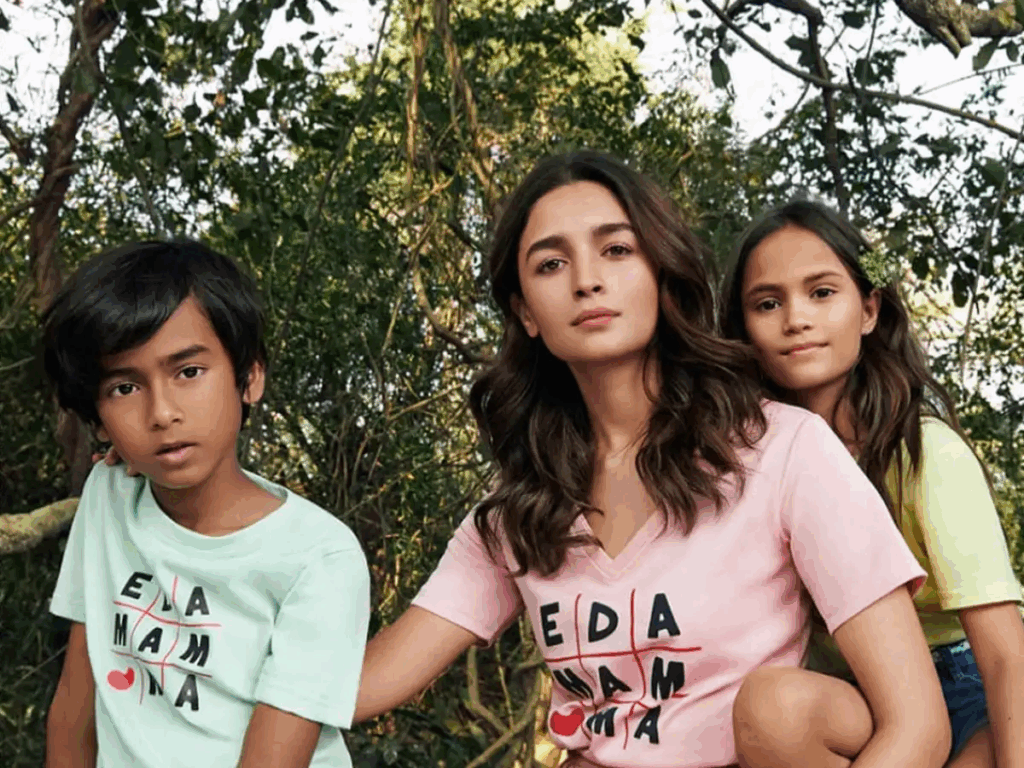
Meanwhile, Alia Bhatt’s Ed-a-Mamma, a brand that began in the kidswear and maternity space in 2020, got snapped up by Reliance Retail in 2023. Even though it was still loss-making at the time, the acquisition reflected long-term confidence in its positioning and Alia’s ability to scale it into a family-first lifestyle brand.
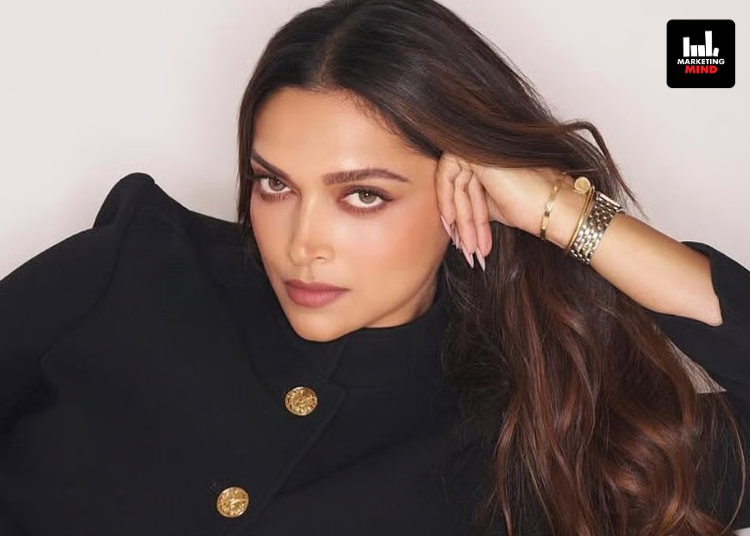
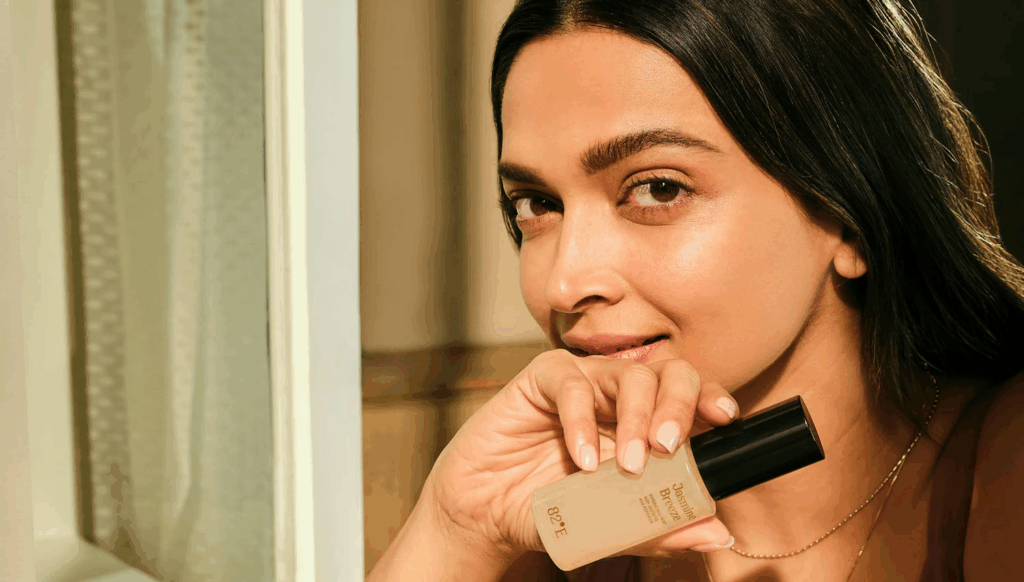
Contrast that with Deepika Padukone’s 82°E, a premium skincare label that brought in Rs 22.8 crore in revenue in FY24, but also reported a loss of Rs 25.1 crore (as per media reports). While the brand boasts high-end packaging and a wellness-forward philosophy, the high pricing and lack of real category disruption seem to be slowing momentum.
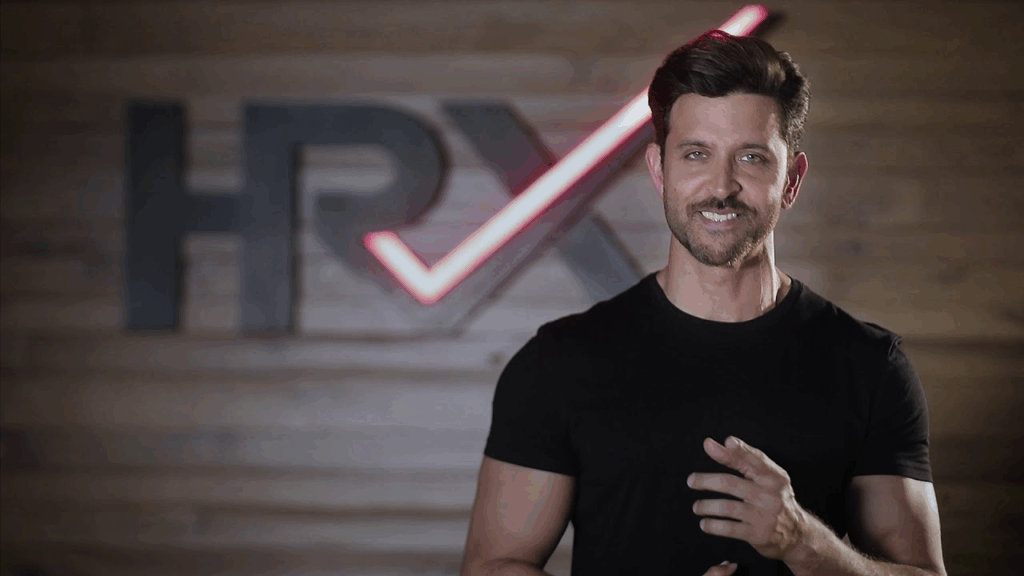
On the fitness and fashion side of things, Hrithik Roshan’s HRX continues to be a benchmark for how to do it right. Co-owned by Myntra and now a standalone name in athleisure, HRX has crossed Rs 1,000 crore in annual revenue, as per media reports. It was one of the first celebrity brands to show that if you pick the right category and stay consistent, you can build something bigger than your personal brand.
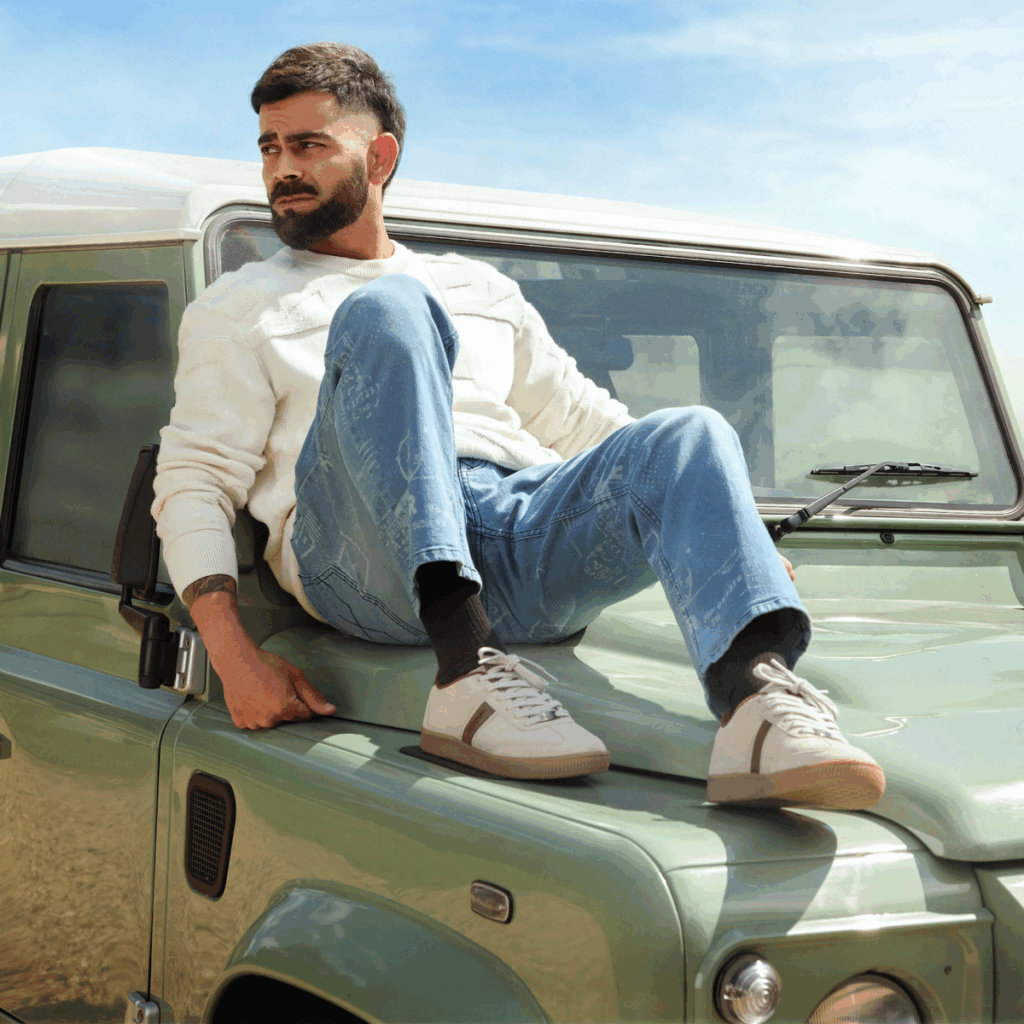
Virat Kohli, on the other hand, is having a rougher patch. His menswear label Wrogn saw its revenue decline 29% to Rs 243 crore in the last fiscal year ended March 31, 2024, sliding from Rs 344 crore in 2023. Maybe the market is oversaturated, maybe the branding got stale, but the signs are clear. Not every celeb launch ends in applause.
Beyond Beauty: Perfumes, Nutrition, and Babywear Boom
Fragrance and wellness are the newest celebrity frontiers. Disha Patani’s fragrance line, Line Out, and Rashmika Mandanna’s new perfume brand are still in the honeymoon phase, lots of buzz, but no long-term data yet. What’s clear though is that beauty and skincare remain the most celeb-saturated categories. Apparel continues to attract star names, but only a few are building solid, scalable businesses. Kidswear, maternity, and nutrition are growing, but haven’t yet reached the same visibility.
From Vanity Project to Viable Venture: What Works?
So what makes a celebrity brand stick? It starts with the name, yes. The launch traction is undeniable. But over time, it’s the product that needs to do the talking. Kay Beauty and Hyphen both show repeat buyer rates above 50%, which means that customers aren’t just doing a one-time fan purchase, they’re coming back. That’s because the products actually work.
On the other hand, brands like Nush (Anushka Sharma) and WROGN relied heavily on their founders’ faces, but suffered from lack of identity, weak differentiation, and zero storytelling. Pretty packaging and a celebrity’s pout can only carry you so far.
No Face, No Future: The Real Work Behind the Glam
Where do things go wrong? A lot of celebrity launches are just vanity projects. There’s no real category insight, no involvement in R&D, no clarity on who owns what. Consumers today care about transparency. If they smell PR fluff or see a celeb disappear post-launch, they scroll past. Worse, many of these brands don’t invest in community building or product feedback loops. They treat their social media followers as customers, not collaborators, which is a rookie mistake in 2025.
The Final Glow-Up: Celebrity Is Just the Hook
The ones who succeed understand that celebrity is just the entry point. Katrina Kaif is reportedly involved in Kay Beauty’s product development. Kriti Sanon is building a digital-first beauty business that communicates with consumers like a friend, not a billboard. Alia Bhatt smartly exited by aligning Ed-a-Mamma with Reliance, ensuring legacy scaling. These stars treat their brands as businesses, not just brand extensions.
There’s a lot to learn from global playbooks too. Rihanna’s Fenty made makeup inclusive and emotional. Kim Kardashian’s Skims made bodywear empowering and high-fashion. Then there’s Kylie Cosmetics, which may have started as lip kits with hype but quickly morphed into a full-blown beauty empire, love her or hate her, the numbers don’t lie. These brands don’t rely on fame alone. They rely on consistency, product innovation, category obsession, and consumer respect.
So, What’s the Real Tea?
The bottom line? Fame gives you a loudspeaker. But if your product or story isn’t worth hearing, people tune out fast. In 2025, the most successful celebrity brands in India are the ones that moved beyond hype, hired smart, built clear identities, and let their products shine without needing a face on every Instagram post. For the rest, the clock is ticking, and even A-listers can’t trend forever.