






Suppose you’re watching a video on YouTube, and an ad pops up. You barely register it before clicking “skip”. But wait, what if those first few seconds were so gripping, so relatable, that you actually stayed?
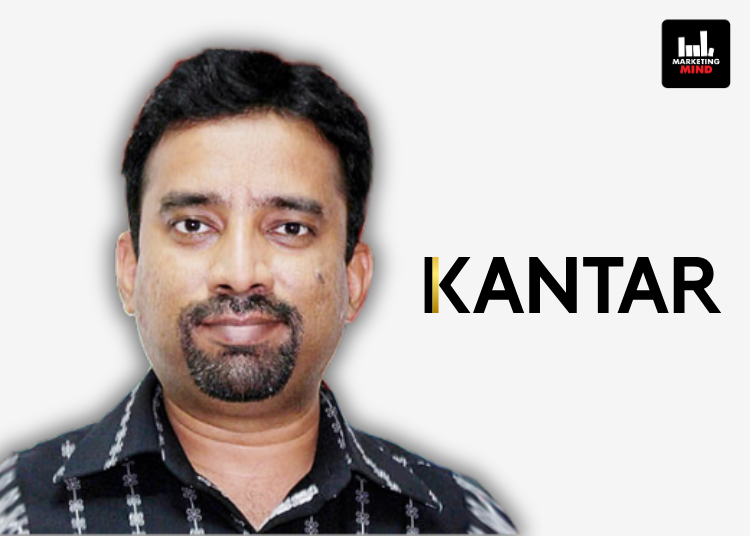
That’s the kind of challenge brands are up against today. And that’s exactly what we got talking about with Prasanna Kumar, Head of Creative Domain, Insights Division at Kantar.
Right from the first question, Kumar dove straight in. “The media context is increasingly fragmented,” he said. “People are watching content across multiple screens, TV, OTT, laptops, phones. It’s not about choosing one over the other anymore. Brands are investing in everything.”
And with that kind of screen overload, the question isn’t just where a brand shows up, but how. You can’t just lift a 30-second TV ad and paste it into digital. The execution needs to change with the platform. “Digital is where the consumer is in control. So if you don’t hook them in the first three to four seconds, you’ve lost them,” he explained.
That’s where things get interesting. Kumar broke down how Kantar’s LINK tool helps brands test whether an ad can break through the clutter, communicate clearly, and drive both instant action and long-term brand love. “We’ve been doing this in India for nearly three decades. It’s no longer a creative hunch; it’s backed by consumer data.”
And that approach, test, learn, tweak, repeat, is where smart brands are winning.
Speaking of smart brands, the conversation naturally drifted to examples. One of Kumar’s favourites? Taj Mahal Tea. “They’ve consistently built a premium narrative, from using Zakir Hussain to now showing Nirali Kartik in these beautifully shot ‘me-time’ moments,” he said.
He added, “Whether it’s a 10-second digital spot or a big TV ad, they’ve kept their tone consistent. Even that massive musical teapot activation? Perfect PR moment.”
But it’s not just about being premium, it’s about being real. “Take Maggi, for instance. That ad with the mom and daughter on the balcony, enjoying Maggi while it rains, that’s not just nostalgia. That’s us. We’ve all lived that moment.”
Then there’s Pulse Candy’s courtroom chaos ad, ‘Pran Jaye Par Pulse Na Jaye’- It was quirky, funny, and oddly emotional. Because yes, humour is an emotion too. “Emotions are primal,” Kumar pointed out. “If you can tap into a cultural moment and tell a story around it, that connection becomes memorable.”
And then came the big one: influencers.
We’ve all seen those influencer posts where someone just stares into a camera and says, “Hey guys, this product changed my life…” and you scroll right past it. Turns out, there’s a reason why those don’t work. “Consumers aren’t excited about testimonials. What they want is a personality, a quirk, a story. Influencer content that looks like a slice-of-life skit, now that resonates.”
But before diving into collaborations, brands need to get their basics in place. “Have a playbook,” Kumar advised. “What’s the tone you want? What’s negotiable? What isn’t? If you leave it loose, and something goes wrong, it’s not just the influencer’s reputation that’s at stake. It’s yours.”
Another mistake brands make? Thinking influencer marketing is just about adding more reach. “It’s not about stacking percentages. You’re not just saying, ‘TV gave me 60%, let’s get 10% more via influencers.’ It’s a completely different channel. You’re stepping into the consumer’s personal space. What are you doing there? Why?” Kumar pointed out.
The brands that are nailing it, according to him, are the ones that know how to balance short-term wins with long-term value. “It’s okay to do a bit of moment marketing. Be viral, be current. But don’t forget what your brand stands for,” he said. “That’s where equity comes from.”
Kumar wrapped up by touching on a topic many don’t talk about enough: the urban bias in advertising. “Most of our ad agencies and brand teams are from metros, educated in top institutes. But India’s next wave of growth is coming from tier 2, tier 3, and rural areas. Their context, their humour, their buying patterns, it’s all different,” Kumar noted. “If we don’t invest in understanding them, we’ll miss the bus.”
He pointed to the legendary work of Prasoon Pandey and Piyush Pandey, ads that feel deeply Indian, not just city-slick. “That’s the direction we need to head in. Advertising is rooted in all of India.”
As we ended the conversation, one thing was clear: great advertising is no longer about luck. It’s about listening, learning, testing, and evolving. And in a world that’s changing by the second, that’s the only way to truly connect.