


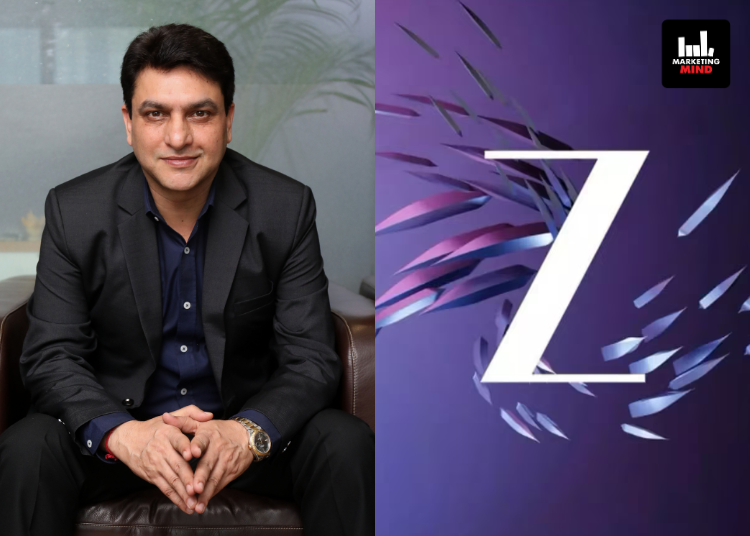
What happened when a household name that had been part of Indian living rooms for over three decades decided to reinvent itself with just a single letter?
You paid attention.
Because when Zee became Z, it didn’t just shed syllables, it shed convention. This wasn’t a cosmetic change. It was a cultural reset. A design statement. A storytelling shift. A full-system reboot built for a world where audiences weren’t loyal to platforms, they were loyal to stories that understood them.
And if you’d ever tuned into a Zee show with your family, binge-watched a Zee5 series alone at night, or stumbled upon a reel from the Bullet app while scrolling, then congratulations, you were already living in the world of Z.
Behind this transformation was a collective of minds who weren’t just building a brand, they were building an ecosystem. One where television and OTT didn’t compete. Where short-form content wasn’t a threat but a spark. Where regional wasn’t a subset, it was the strategy.
“You can’t just claim to be a media powerhouse and not look or behave like one,” said Ashish Sehgal, Chief Growth Officer, Z. “This wasn’t a decision made in a boardroom overnight. We spent years building the business inside-out before we changed the face of it.”
That face now proudly said: “Yours Truly, Z.” It was more intimate, more flexible, and most importantly, more reflective of what the brand was becoming, not just a broadcaster, but a storytelling ecosystem that met the consumer wherever they were.
Sehgal believed the magic of Z lay in how it had become emotionally embedded in Indian households. “You’d hear people say, ‘I watch Zee’, not a particular channel name. That meant something. It meant trust. And this new identity allowed us to keep that emotional ownership, while making it future-ready.”
So what did that future look like?
It was fluid, regional, creator-friendly, culturally sharp, and unafraid of format shifts.
“Today’s audiences didn’t fit into boxes, and neither should content,” said Kartik Mahadev, Chief Marketing Officer. “We were moving from storytelling to building story systems. Every piece of content we created now lived across screens, in different shapes, and still had to feel like Z.”
One of the biggest expressions of this philosophy was the launch of Zee Power in Karnataka and Zee Bangla Sonar in West Bengal, two regional channels that didn’t just expand Z’s footprint but reimagined what regional storytelling could look like in a post-TV-vs-OTT world.
“With Zee Power, we asked: what happens when you bring the narrative depth and visual quality of OTT to television? Can we make a 6-days-a-week show feel binge-worthy?” said Siju Prabhakaran, Chief Cluster Officer – South & West. “And the answer was yes. In fact, we found that our rural audiences were hungry for more progressive, aspirational stories, but in their own language, rooted in their context.”
He referred to Harli Power, Zee Power’s marquee show that explored ambition, identity, and empowerment through a young female protagonist in rural Karnataka. Prabhakaran called it “the kind of show where rural met real, and real met reel.”
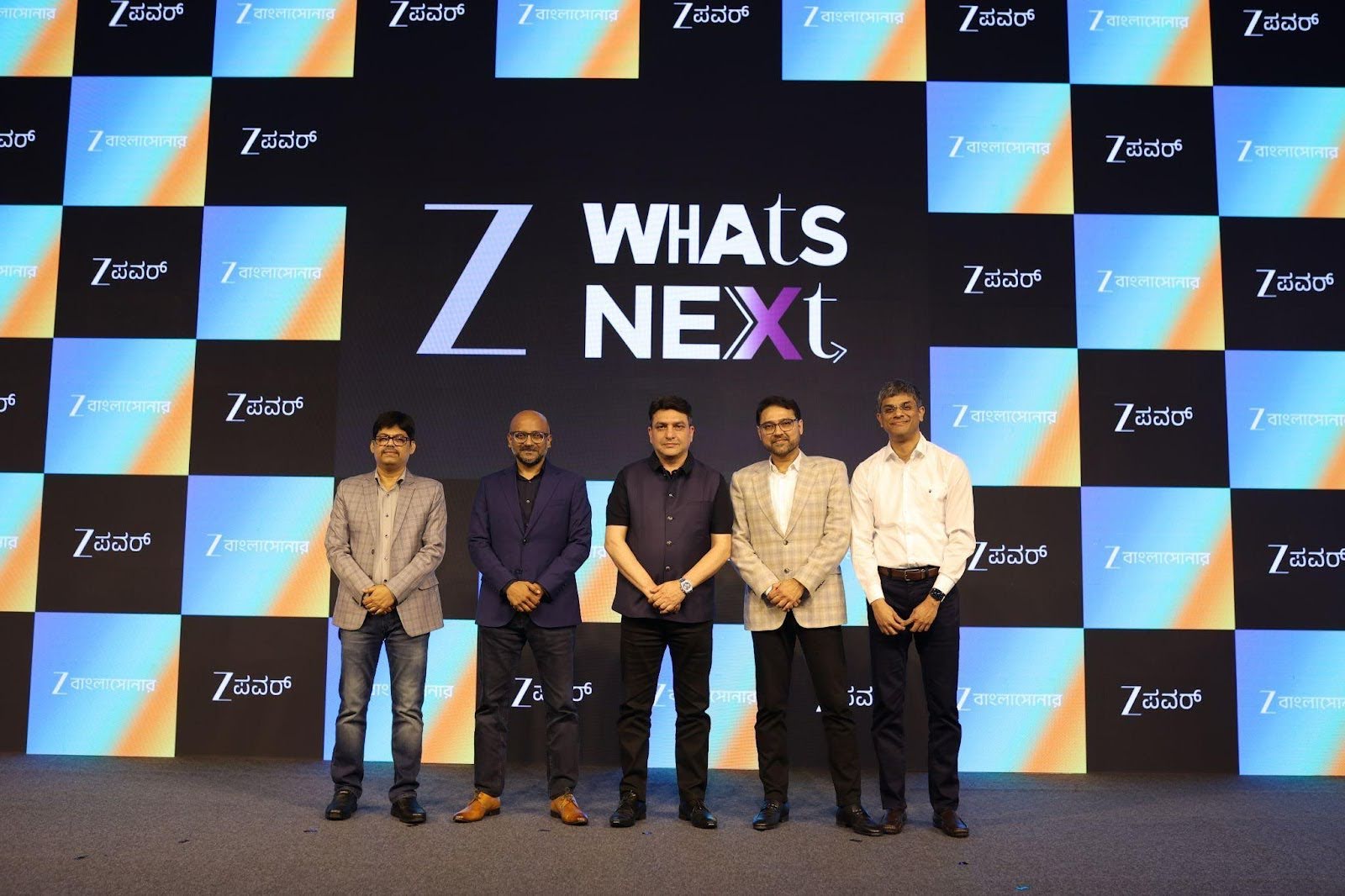
While regional expansion was one layer, tech-enabled personalisation was the other. Mahadev explained how Zee5 now functioned as seven language-led apps, each with its own UI/UX, pricing model, and content cues.
“We realised that personalisation shouldn’t be a setting, it should be a starting point. That’s how ‘Apni Bhasha, Apni Kahani’ was born,” he said. “If a Tamil viewer opened the app, it had to feel like their home screen, not a filter slapped on the same grid.”
This deep regional philosophy extended beyond just content and UI, it was embedded into how Z worked with advertisers. From building custom cultural hooks for Nivea in Bengal to expanding Pitambari’s footprint from Maharashtra to Bengal, the Z team reimagined what brand integrations looked like when they were insight-first, not media-first.
“We didn’t think in GRPs anymore. We thought in moments and mindsets,” added Sehgal. “Advertisers came to us not just for inventory but for intelligence. For partnerships.”
And where did short-form sit in all of this?
“We weren’t threatened by reels. We were building them,” smiled Samrat Ghosh, Head of Network – Channels. “Our Bullet app was where we experimented. One-minute character dramas. Creator collabs. Format-led storytelling. If TV was for the soul, Bullet was for the pulse.”
The Bullet app allowed Z to test high-agility, low-lift formats that could eventually scale into full-fledged IPs. It was where creators could remix, reinterpret, and re-energise the Z universe for Gen Z screens.
But even a bold transformation needed a visual anchor. That’s where Jalaluddin Mondal, EVP and Head of Design, stepped in.
“The brief was simple and terrifying: how do you reduce 30 years of brand equity into a single letter, and still make it feel warm, modern, and versatile?” Mondal recalled.
The answer was a design system that worked across hoardings, thumbnails, smart TVs, and app icons, simple enough to scale, emotional enough to connect.
“Z wasn’t a shape. It was a system,” he added. “It had to flex across touchpoints but always felt like a signature.”
So where was all this headed?
Sehgal summed it up best, “We weren’t just trying to be part of the consumer’s content diet. We wanted to be their content habit. Whether that was a drama on TV, a reel on Bullet, or a brand story in their language, we wanted Z to be what felt like home.”
In a world where attention was fleeting and formats were fragmenting, Z didn’t resist change. It danced with it.
And in that dance lay the real rebrand.
Z was not just Yours Truly. Z was Truly What’s Next.