






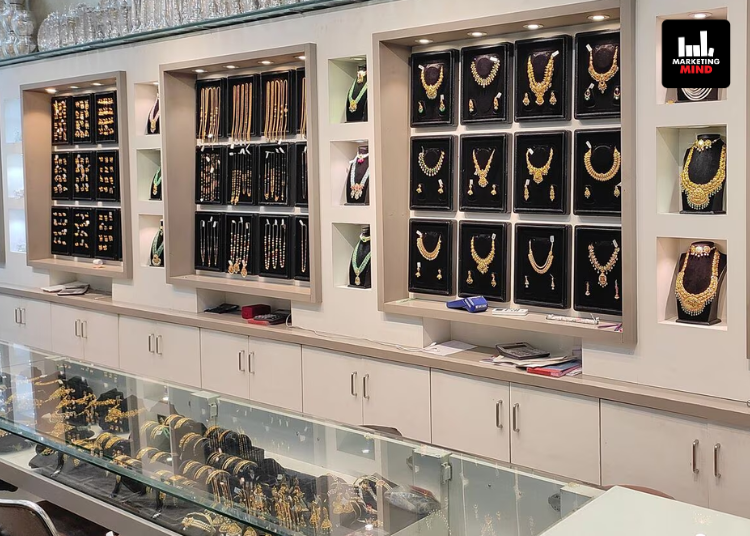
The festive quarter has always been special in India, a time when families have come together, weddings have filled calendars, and jewellery stores have glittered with anticipation. This year, the October-December period, also called OND, has once again proven why it is the industry’s defining season. It has not just marked the year’s close; it has represented the months when traditions, weddings, and gifting have converged with business goals.
According to IMARC, India’s jewellery market crossed USD 90 billion in 2024 and has been projected to expand steadily through 2033.
Within that, the festive and wedding quarter alone has contributed 35-45% of annual sales, a number confirmed by both industry leaders and research reports. Yet, with gold prices at record highs, the World Gold Council has forecast India’s gold consumption in 2025 to fall to 600-700 tonnes, down from 802.8 tonnes in 2024.
Why the Festive and Wedding Quarter Has Been the Crown Jewel
“The festive quarter has been our biggest, contributing close to 40-45% of annual sales,” said Pallavi Mohadikar, CEO and Founder of Palmonas. “The festive energy of Diwali, coupled with India’s wedding season, has created a natural surge in demand. Jewellery has not just been a purchase at this time, it has been a celebration of milestones, prosperity, and love.”

CaratLane’s CMO, Shaifali Gautam, said the cultural dimension has made this quarter unique: “The festive and wedding quarter has been when cultural and emotional moments have aligned, Dussehra, Diwali, Karwa Chauth, and the weddings. Even NRIs who returned during the winter holidays have added to momentum.”
For Jewelbox Co-Founder Vidita Kochar Jain, gifting has amplified demand: “Nearly 35-45% of annual jewellery sales have been concentrated in this quarter. Customers have bought not just for themselves but also for gifting, which has amplified demand.”
The Tenoris tracker reinforced this reality, reporting a 5% rise in jewellery sales in H1 2025, despite volume pressures, positioning the festive and wedding quarter as the industry’s make-or-break period.
Marketing: Stories Before Spend
Jewellers have consistently begun their festive and wedding campaigns with narrative.
“For us, it has always begun with the creative theme,” explained Mohadikar of Palmonas. “Once we locked the story we wanted to tell, the media mix and budgets fell into place. Storytelling has been our backbone.”
CaratLane’s Gautam said: “We have always started with the theme, as it sets the tone for everything else. Our Ganesh Chaturthi film, for example, featured two Marathi actors at a Visarjan, instantly connecting with local culture. Media planning followed the story.”
As Jain of Jewelbox put it: “Jewellery has been an emotion. If the storytelling did not connect, nothing else mattered. Once the theme was clear, we optimised the spends accordingly.”
This approach aligned with RedSeer’s finding that 50-60% of jewellery purchases have been online-influenced, making digital storytelling non-negotiable.
Ad Spends: A Festive and Wedding Surge
Advertising budgets have soared during this quarter.
“We increased festive spends by about 30% compared to other quarters,” said Mohadikar. “The focus has been

digital-first, social media, influencer partnerships, and in-store experiences. Print and TV still mattered, but digital has been the heart of the push.”
Jewelbox confirmed the spike: “Our ad spends were 40% higher in this half compared to the rest of the year, with the largest share going to digital-first platforms like social media and search campaigns.”
Gautam of CaratLane added: “Our spends in the festive and wedding quarter were strategically higher, but the allocation was balanced across outdoor, print, digital, influencer tie-ups, and in-store events.”
According to GroupM’s TYNY 2025 report, festive campaigns have accounted for nearly 40-45% of India’s annual advertising expenditure. RedSeer has noted that digital ad spends have grown 20-25% year-on-year during this festive period.
Stars, Creators, and Authenticity
Shraddha Kapoor fronted Palmonas’s campaigns, but Mohadikar pointed out that authenticity mattered more: “Alongside Shraddha, we partnered with influencers who genuinely resonated with young women. We also shared real customer stories, those built trust and drove sales.”
CaratLane leaned into regional nuance. “Divyanka Tripathi and Vivek Dahiya led our Teej and Karwa Chauth campaigns. Since our audience consumed cooking and comedy content, we collaborated beyond fashion influencers for authenticity,” said Gautam.
Jewelbox remained selective. “We have been in the process of picking our ambassador. Celebrities can spark attention, but authentic voices sustain equity,” said Kochar Jain.
According to Qoruz, influencer marketing spend is projected to cross Rs 700 crore during the 2025 festive season, with brands ramping up creator campaigns significantly..
The Evolving Wishlist & Limited Editions: Driving Urgency
Consumers shifted their focus to versatile designs. “We saw a major shift toward demi-fine jewellery with a festive twist, lightweight, stackable, and personalised,” said Mohadikar.
Exclusivity drove purchase urgency. “Our festive drops often sold out within weeks,” she added. “But we always kept bestsellers available to balance accessibility.”
“Our 9KT lightweight jewellery saw strong traction,” added Gautam of CaratLane. “The FRIENDS x CaratLane collaboration also resonated with younger audiences. Proposal rings grew into a strong category.”
She further talked about customised pieces. “Our made-to-order collections were incredibly popular, customers customised everything from carat weight to design. Alongside, our festive launches created anticipation,”
Kochar Jain observed: “Demand clustered into solitaire diamond rings, lightweight everyday gifting pieces, and personalised initials.”
“Limited editions created urgency, while custom designs added emotional weight. We balanced uniqueness with staples,” noted Kochar Jain.
This shift was backed by RedSeer’s data on lab-grown diamonds, which grew fastest, with 70% of millennials showing preference for them. WGC also confirmed that high gold prices nudged buyers toward lighter-weight pieces, with bridal sets now weighing half as much as in earlier years.
Beyond the Glitter: The Challenges
Challenges remained beneath the sparkle. “Cutting through festive clutter while maintaining quality was the biggest challenge,” admitted Mohadikar.
“Ensuring inventory consistency across channels was critical,” said Gautam. “We ramped up staffing and training to maintain service during peak footfall.”
Kochar Jain highlighted: “We worked hard to ensure education, aftercare, and service remained seamless even during rush.”
The WGC underlined this with its data, reporting volume declines of ~25% in 2025 despite resilient value growth.
Beyond Sales: Winning Loyalty
Festive and wedding gains did not end with immediate sales. “Our real win is in turning festive buyers into long-term loyal customers,” said Mohadikar. “That is why we invested in personalisation and community.”
“For us, the festive and wedding quarter was a moment to start lifelong relationships. Our experiences were

designed to leave emotional imprints,” added Gautam.
“Sales followed trust. When a festive buyer returned six months later for another milestone, we counted it as a success,” said Kochar Jain.
India’s jewellery industry has entered the festive and wedding quarter of 2025 with optimism sharpened by caution. Consumers have celebrated with lighter, personalised, and lab-grown pieces. Brands have spent bigger but smarter, leaning on digital-first storytelling and regional relevance. Limited editions triggered urgency, while loyalty programmes ensured the sparkle outlasted the season.
In short, the festive and wedding quarter has remained the heartbeat of Indian jewellery, a season when heritage met innovation, and when brands balanced the immediate dazzle of sales with the longer shine of trust.