







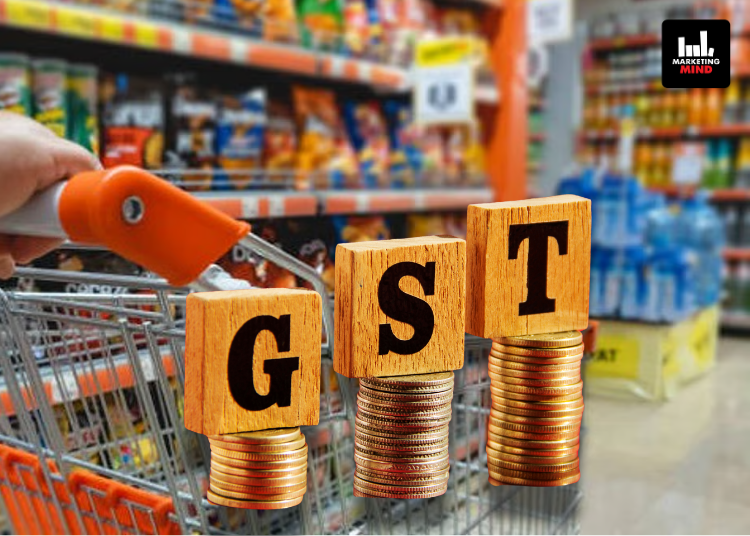
Finance Minister Nirmala Sitharaman has announced the biggest GST overhaul since 2017, rolling out a simplified two-slab system under what has been called “GST 2.0.” The reforms have been implemented ahead of the peak festive season, with the new rates taking effect from September 22, 2025.
The new goods and services tax (GST) regime, with 5% and 18% slabs, will provide relief to the fast-moving consumer goods (FMCG) sector.
“This is going to have a positive impact on the economy,” Sitharaman has said.
Households have benefited as a wide range of FMCG and daily essentials have seen significant tax reductions. Everyday items such as soaps, toothbrushes, hair oil, namkeen, instant noodles, chocolates, and instant coffee will now attract 5% GST. Breads, paneer, and ultra-high temperature processed milk have been fully exempted. Packaged foods such as sauces, pasta, cornflakes, butter, and ghee have also fallen under the 5% slab, making snacking and cooking more affordable.
Healthcare costs have been eased, with 33 life-saving drugs and medicines now attracting zero tax, down from 12%. Spectacles and vision-correcting goggles have also seen GST cut from 28% to 5%.
The GST Council has also removed the 18% tax on individual life and health insurance policies. This reform has been implemented to reduce costs for policyholders and encourage wider adoption of insurance products.
“After a detailed study taking stakeholders into confidence, we have come up with this so that families and also people who take individual insurance get that benefit. Of course, we will make sure that companies pass on this benefit to the people who are taking insurance cover,” Sitharaman said.
The exemption covers all individual life insurance, term plans, ULIPs, endowment policies, and individual health insurance, including family floater and senior citizen policies.
As per media reports, India’s overall insurance penetration has slipped to 3.7% in FY24 from 4% in FY23. Life insurance penetration has fallen to 2.8%, compared with 3% in FY23, while non-life insurance penetration has remained steady at 1%.