






In today’s fast-evolving digital landscape, winning the attention and loyalty of Gen Z has become both the biggest challenge and the greatest opportunity for brands. This generation, deeply rooted in online culture and driven by authenticity, values meaningful connections over flashy marketing gimmicks.
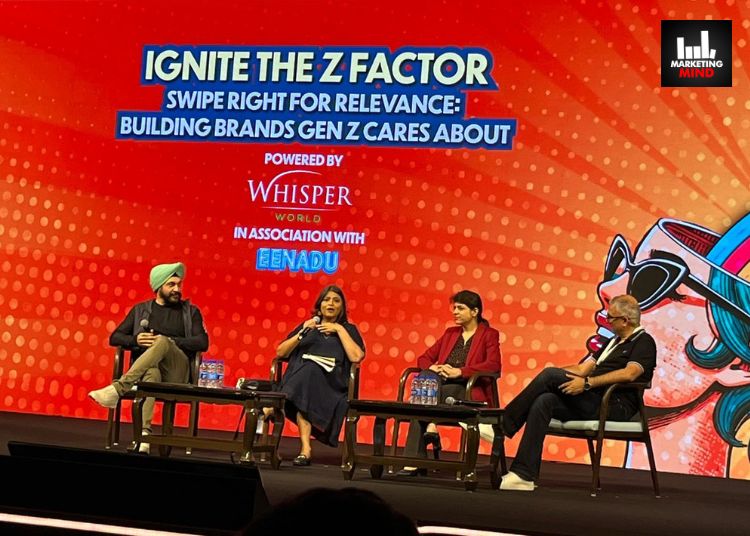
On Day 1 of Goafest 2025, industry leaders- Amarjit Singh Batra – Managing Director, Spotify India, Geetika Mehta – Managing Director, Nivea India and Vikram Mehra – Managing Director, Saregama India- came together during the panel discussion titled ‘Swipe Right for Relevance: Building Brands Gen Z Cares About’ to explore how authenticity and adaptability are key to resonating with this influential demographic.
While highlighting the significance of Gen Z to their work and business, Batra emphasised, “More than 50% of our audience is below 24-25 years old. Our creators are young, and so are the listeners. Gen Z is a key demographic for us. We also see high interest from them in our early career programs, they want to work and grow with us.”
While highlighting key characteristics of Gen Z, Mehta pointed out one constantly needs to update themselves to stay relevant.
“We continuously reflect on how to renovate our brand to resonate with Gen Z, as they are the ones leading experimentation and driving change. I don’t believe Gen Z is distracted, rather they’re discerning. For us, it’s crucial to have a meaningful presence in their lives,” she added.
Meanwhile, Mehra said, “Every generation believes the next one isn’t as good. But Gen Z is different. When we grew up, screen time was limited; for them, life is entirely online. For a company like ours, 80% of our engagement comes from Gen Z. Understanding them is critical for our survival.”
Mehta highlighted that Gen Z represents a significant growth opportunity, explaining that the spending power of Gen Z is much higher than earlier generations. They are informed and willing to spend on brands that align with their values.
Batra said that Gen Z are an interactive generation that looks deeply into brands.
“Once they’re convinced, their loyalty runs deep. They place a high premium on authenticity and have little tolerance for sugar-coating. Open to new experiences and adaptable to change, they bring a fresh perspective. As employees, their expectations differ significantly, with wellness and mental health standing out as top priorities,” he added.
Meanwhile, sharing his perspective on Gen Z’s relationship with brands, Mehra mentioned that brands matter a lot to them. Traditional branding methods like celebrity endorsements don’t work as well anymore. Influencers are more effective in connecting with Gen Z. They value relatability and meaningful content.
On being asked what should brands keep in mind to stay relevant, Mehra emphasised that
Gen Z seeks content they can genuinely relate to, valuing communication and open dialogue. They are no longer drawn to nonsensical lyrics, instead, they expect content that is meaningful and thoughtfully crafted.
Meanwhile, Mehta said, “They prefer authenticity over aesthetics. We run soft programs where we visit colleges and talk directly to students. Sustainability, credibility, and authenticity are essential now, it’s a completely different language from what we were taught.”
While explaining where brands find and build connections with Gen Z, Mehra said that it happens through social media. Online is their world and increasingly, they consume content primarily through their phones.
“We need to learn to let go. Empower younger people to take the lead, they understand Gen Z best,” he added.
Mehta stated that experimentation is key and we must give new ideas and people opportunities to try things out.
In conclusion, while explaining how Spotify interfaces with Gen Z, Batra said that there are three main ways:
“Creative and PR Agencies: We work closely with them. If you’re not aligned with your agency, your messaging will be off; Direct Interaction and Research: We conduct constant research and engage in conversations; Social Listening: We observe what people are saying about our brand, what they talk about, how they feel, and how they behave,” he added.