





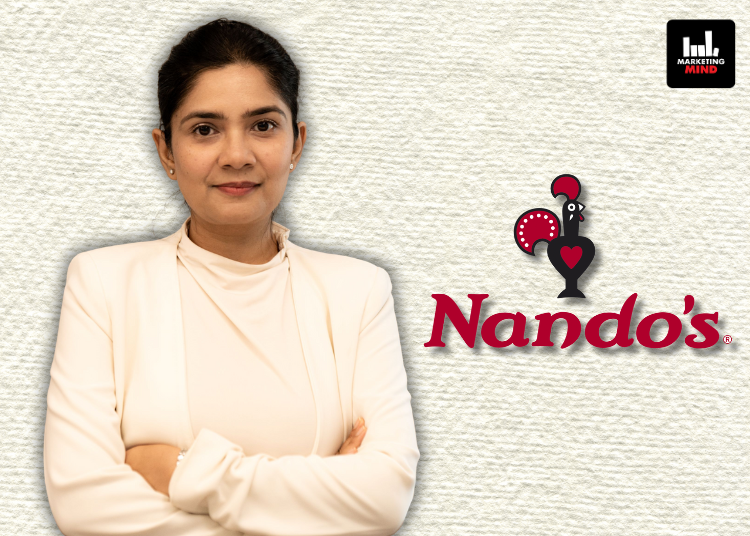
Walking into a Nando’s casa feels like stepping into a shared story. The smell of flame‑grilled peri‑peri chicken, laughter over tables, and bottomless sauce bottles combine to make it more than just a meal, it is a memory in the making. For Anushree Bose, Head of Marketing for Nando’s India, this is not accidental. It’s the result of a deliberate approach that blends expansion, creativity, and a deep understanding of the audience.
From the famous grilled chicken to campaigns that speak in local dialects, Nando’s India has been quietly rewriting the rules of dining. What began as a cult favorite has transformed into a brand with ambitions to be loved by many. Over the past year, it has grown in double digits, leaned heavily on expansion, and made dining out an experience‑first choice. Now, as Nando’s charts its roadmap for the next three years, Bose explained that the focus is clear, grow bigger, innovate smarter, and keep the flame grilling.
“Last year especially has been really great for us because we started with our expansion spree,” Bose said. “Our growth has been in double digits. We are definitely focusing on sustainable, quality‑led growth.”
Currently, Nando’s operates 19 stores across nine cities and plans to touch 24-25 outlets by January next year. Bose explained, “We have been opening stores not only in the cities where we were present but also in geographies we had not covered before. That is giving us a boost. We are selecting locations with high footfall, not just malls and high streets, but also unique spots like airports. This year, we opened our first airport store at Delhi T3, something we’ve been looking forward to for a long time. We are looking forward to opening another.”
Expansion is a pillar, but Bose said consistent service and food quality remain non‑negotiable. “Whether it’s one store or 25, the one thing that will always remain constant is our service, our quality, and our food.”
On future growth, she said, “The key drivers will mostly remain the same- expansion, refreshing the menu by adding new products, and making Nando’s more accessible to audiences.”
“It is going to be double‑digit growth for sure,” she added. For Nando’s, growth is not just about numbers but about experience. “Dine‑in and delivery are different theatres of experience. Dine‑in is all about the atmosphere, the community, the memories you create. Delivery is about convenience, speed, and consistency.” That distinction explains why dine‑in generates nearly 75% of Nando’s revenues, while delivery contributes about 22–25%.
“Our objective with delivery is to make the brand visible and accessible, to encourage first‑time trials on platforms like Zomato or Swiggy and convert them into dine‑in customers,” she said. “But Nando’s is something that is best enjoyed fresh, right off the grill.”
Digital accounts for 55–60% of Nando’s marketing spend. “When I say digital, I mean everything- social media, digital campaigns, CRM. CRM is very important for repeat visits,” Bose explained. The brand also invests heavily in content‑led storytelling and outdoor branding, but the majority of its communications remain digital.
“What makes our marketing different is that it’s agile,” she explained. “We don’t follow a template. We focus on storytelling, on experience, not just product. You look at our campaigns, our CRM messages, it’s all about what happens when you have that experience.”
This extends to tone. “Our heritage is South African, and globally we have a cheeky, quirky sense of humor. We adapt that to the Indian market, but we keep it alive in our campaigns.” She cited Hyderabad as an example: “When we launched there, we went hyper‑local, using local lingo, partnering with regional influencers, and choosing branding spaces close to our target audience. It gave us very good feedback in terms of awareness and footfall.”
What about the festive seasons?
The festive season brings unique dynamics. “Navratras usually drop footfall because even non‑vegetarians turn vegetarian. This year, we launched a veg‑exclusive menu, along with four new veg items as a limited‑time offer,” said Bose. “We wanted vegetarians to feel they have a space at Nando’s. It’s also a way to understand their expectations from a brand known for peri‑peri chicken. So far, the feedback has been positive.”
“We’re happy to indulge in any marketing experiment. This is as much about learning as it is about offering something new,” she added.
Audience mindset over demographics
Bose stressed that the core audience is defined by mindset as much as age. “Globally, our target is 18-40. In India, it’s aspirational millennials and professionals, 22–35. But I’ve seen 18‑year‑olds and even 50‑year‑olds as regulars. Age is less important now, it’s about personas.” This insight shapes not just marketing tone but product innovation as well.
Flexible formats, deeper community
Nando’s expansion is not bound to a single format. “Depending on location and catchment, we choose the store size and seating. We keep it flexible,” Bose explained. She also highlighted influencer and lifestyle collaborations as key brand‑building tools: “It’s not about quantity but quality. We carefully choose influencers who fit the brand’s voice.”
She added that Nando’s remains a “people‑led brand,” investing in its own teams as much as in consumers: “It’s important to give people the power to drive their departments and look up to the brand.”
For Bose, the future is clear. “We want to grow bigger, stay quirky, and keep the flame grilling. Our aim is sustained double‑digit growth through FY26- new cities, refreshed menus, sharper marketing, and precision targeting. Nando’s is moving from being a cult brand to an experience that urban India increasingly seeks out.”