






When it comes to war films in India, marketing rarely functions as a standalone exercise. Emotion, memory and national pride often do much of the work. Border 2 recognised this instinctively and shaped its promotional strategy around that truth. Instead of relying on tightly controlled publicity beats, the film allowed its campaign to unfold across cities, social media and real world locations, letting public participation and sentiment drive visibility.
Building on the cultural footprint of J.P. Dutta’s 1997 classic Border, the sequel positioned itself as a continuation of a shared emotional legacy. From metro stations and theatres to temples near the India Pakistan border and naval bases, the promotions ensured the film felt present in everyday life rather than confined to press rooms.
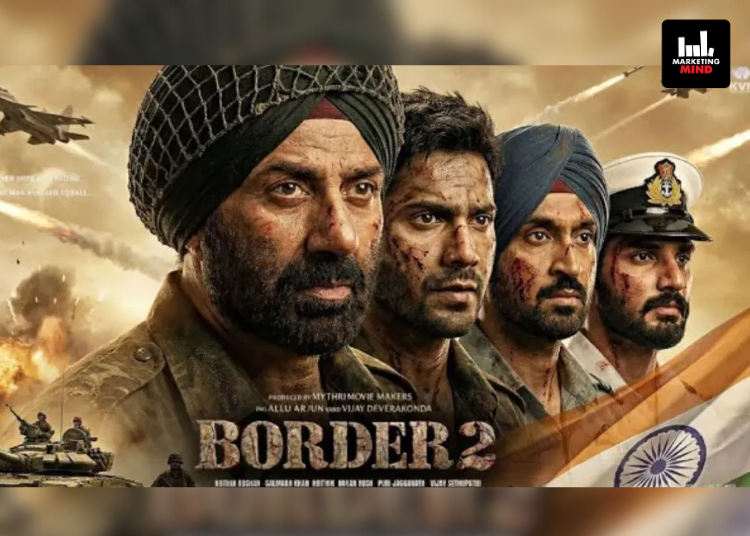
Directed by Anurag Singh, Border 2 stars Sunny Deol, Varun Dhawan, Ahaan Shetty, Sonam Bajwa and Diljit Dosanjh. Diljit plays Flying Officer Nirmal Jit Singh Sekhon, a Param Vir Chakra awardee of the Indian Air Force, joining the ensemble in a role central to the film’s story of courage, duty and sacrifice.
Trailer Launch and the First Wave of Buzz
The official trailer of Border 2 was released on 15 January 2026, setting the emotional tone for the campaign. Rather than leaning purely on scale, the trailer focused on human stakes, battlefield bonds and the cost of conflict, echoing the emotional language that made the original Border resonate across generations.
Sunny Deol anchored the launch with reflections on responsibility and legacy, while Varun Dhawan and Ahaan Shetty were positioned as the younger faces carrying that emotional weight forward. Sonam Bajwa added a quieter, personal layer to the narrative, highlighting the impact of conflict beyond the battlefield.
The response was immediate. As of now, the trailer has crossed 75 million views on YouTube, with dialogue clips, patriotic edits and reaction videos circulating widely across Instagram, X and fan communities.
City Level Visibility and Unscripted Moments
The Mumbai Metro Incident
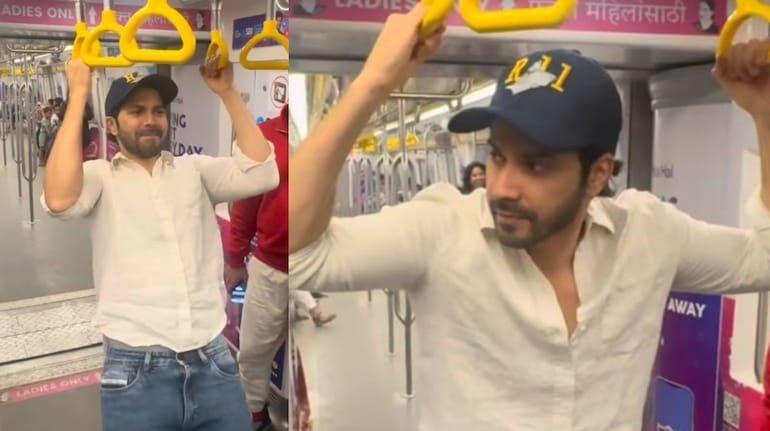
One of the most widely discussed promotional moments came when Varun Dhawan performed a playful stunt inside a Mumbai Metro train while promoting the film. The clip travelled rapidly across social media and news platforms, drawing both amusement and debate.
Although the incident later resulted in a notice from metro authorities, it reinforced the campaign’s spontaneous quality. The moment felt unscripted and human, allowing the film to enter everyday public conversation organically.
Choosing Economy Over Optics
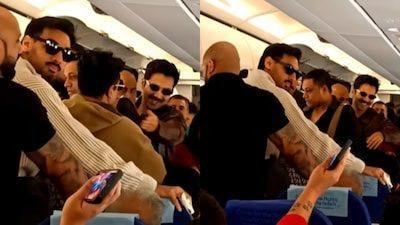
Images of Varun Dhawan and Ahaan Shetty travelling economy class during promotional tours also gained traction online. In a campaign otherwise defined by scale and spectacle, these visuals projected relatability and groundedness, aligning the actors with the film’s themes of discipline, humility and shared responsibility.
Digital Fluency and Meme Awareness
Rather than distancing itself from online chatter, Border 2 embraced it. Varun Dhawan openly acknowledged and mocked memes about himself during promotions, turning internet humour into a point of engagement rather than distraction.
Behind the scenes videos and informal BTS clips softened the film’s otherwise intense tone, helping the campaign connect with younger audiences while preserving its emotional seriousness.
Songs, Memory and Emotional Continuity
Music has always been inseparable from the Border legacy, and Border 2 leaned deliberately into that emotional inheritance. At the centre of this recall sits Sandese Aate Hain, a song that has long transcended cinema to become a cultural expression of separation, longing and sacrifice.
Rather than attempting to recreate or replace the iconic anthem, the sequel’s campaign positioned its soundtrack as an emotional continuation. Promotional clips, public appearances and song related events frequently used restrained patriotic motifs and instrumental cues that echoed the spirit of Sandese Aate Hain, instantly triggering nostalgia while signalling respect for the original film’s emotional register.
Diljit Dosanjh’s association with the film’s music became one of the most discussed aspects of the film . Known for conveying vulnerability and emotional depth through song, his involvement raised expectations around how Border 2 would musically interpret themes of duty and loss. Even in his absence from several promotional appearances, conversation around his contribution sustained attention on the soundtrack.
Sonam Bajwa’s presence further strengthened the emotional framing of the music. Her appearances during promotions shifted focus towards the human cost of conflict, reinforcing how the film’s songs were designed to reflect waiting, resilience and emotional endurance rather than loud patriotism alone.
Song launches held alongside BSF jawans and at military locations added further depth to the soundtrack’s positioning. By connecting music to real spaces and real people, Border 2 ensured its songs carried emotional weight beyond charts and streaming platforms.
Taking Promotions to the Border and the Forces
Tanot Mata Temple and Longewala
In one of the most symbolic promotional moves, the Border 2 team visited Tanot Mata Temple near the India Pakistan border in Jaisalmer. The location holds deep emotional significance, particularly for audiences familiar with the original Border.
Sunny Deol’s return to the Longewala region added further weight, reinforcing the connection between cinema and lived history. These visits were framed as gestures of respect rather than conventional publicity exercises.
Honouring the Armed Forces
The cast and crew also visited the Karwar naval base and participated in events with BSF jawans during song launches and promotional gatherings. By placing the armed forces at the centre of the campaign, the film strengthened its emotional credibility and authenticity.
When Fans Took Control
Perhaps the clearest indicator of the campaign’s impact came from audiences themselves. In several regions, fans arrived at theatres on tractors to watch Border 2, turning screenings into celebratory gatherings.
Final Takeaway
Border 2 did not rely on spectacle alone to make noise. It allowed memory, music and public participation to shape its marketing journey. By blending grounded patriotism, real world visibility, digital awareness and deep respect for legacy, the film delivered a campaign that felt authentic rather than manufactured.
In an entertainment landscape crowded with noise, Border 2 demonstrated that when a story is deeply rooted in collective emotion, audiences do not need to be persuaded. They simply show up.