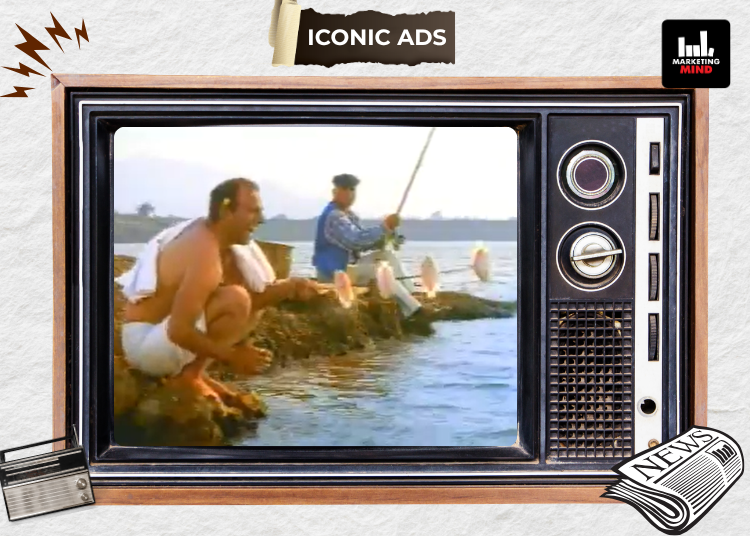








There are some ads you watch. And then there are some ads you remember humming years later, without even trying.
If you grew up in the mid-2000s, chances are that somewhere between Doordarshan reruns, early cable TV, or lazy Sunday afternoons, a song quietly walked into your life. It didn’t shout. It didn’t sell. It didn’t even rush. It simply said- dekho.
And suddenly, you were seeing.
“Bandar dekha, haathi dekha…”
Not as a checklist.
Not as a brochure.
But as a childlike confession.
This was “Hindustan Ka Dil Dekho”, Madhya Pradesh Tourism’s iconic campaign that didn’t ask you to book tickets, it made you feel guilty for not going already.
A Campaign That Chose Emotion Over Information
At a time when tourism advertising was obsessed with panoramic shots, foreign voiceovers, and superlatives like “ultimate,” “luxury,” and “unforgettable,” this campaign did something radical.
It slowed down.
Crafted by Ogilvy India, and shaped by the unmistakable emotional intelligence of Piyush Pandey, the campaign trusted something most brands were scared of, the Indian heart.
There was no hard sell.
No celebrity.
No scripted excitement.
Just a simple voice, a wandering mind, and verses that felt like notes scribbled in a travel diary.
“Mowgli ke jungleon mein, Sher Khan ko dekha.”
Suddenly, forests weren’t destinations. They were memories waiting to happen.
Lyrics That Travelled Before You Did
The genius of the campaign lay in its song, part rhyme, part narration, part meditation. Every line gently opened a window into Madhya Pradesh without ever sounding like it was trying to impress. “Pachmarhi Satpura ka ajooba, Bhopal lake mein suraj dooba.” You could almost see the sunset without seeing the screen.
“Gwalior ke kile mein bhatka, Khajuraho ne de diya jhatka.” History wasn’t framed as ancient or intimidating, it was curious, playful, and slightly mischievous.
And then came the line that quietly changed everything: “Sanchi ki shanti mein, Khudke aandar jhaak ke dekha.”
This wasn’t tourism anymore. This was introspection.
Selling a State by Not Selling at All
What Ogilvy and Piyush Pandey understood deeply was that Madhya Pradesh didn’t need exaggeration. It needed translation.
The state wasn’t positioned as exotic or elite, it was positioned as apna.
Familiar. Grounded. Emotionally central.
Calling it “Hindustan ka dil” wasn’t clever wordplay, it was cultural truth. Geographically central, yes, but more importantly, emotionally resonant.
Madhya Pradesh became the place where nature wasn’t curated, history wasn’t intimidating and spirituality wasn’t performative. It simply existed, quietly, confidently.
Why the Campaign Still Lives Rent-Free in Our Minds
Nearly two decades later, the campaign still feels relevant, perhaps even more so.
In today’s era of fast travel, faster content, and filtered experiences, “Hindustan Ka Dil Dekho” reminds us of a slower kind of discovery. One where you listen before you capture. Where you feel before you post.
It proved that you don’t need grandeur to create impact, You don’t need noise to command attention, and you don’t need to sell a place if you can make people long for it.
The campaign didn’t chase trends. It trusted the truth.
An Ad That Became a Cultural Memory
Long after the screen fades to black, the line lingers: “Hindustan ka dil dekha.” Not visited. Not covered.
And maybe that’s why it worked so beautifully. Because in a country full of stories, this campaign didn’t tell us what to see, it reminded us how to see. And in doing so, Madhya Pradesh didn’t just become a destination. It became a feeling.