





“No, she’s not the assistant. She’s the boss.”
2025 might just be the year that patriarchy finally ran out of excuses in the boardroom. In the world of corner offices, where glass ceilings were once reinforced with steel and stubborn tradition, two women just strutted right through, not quietly, not apologetically, but with power, poise, and purpose.
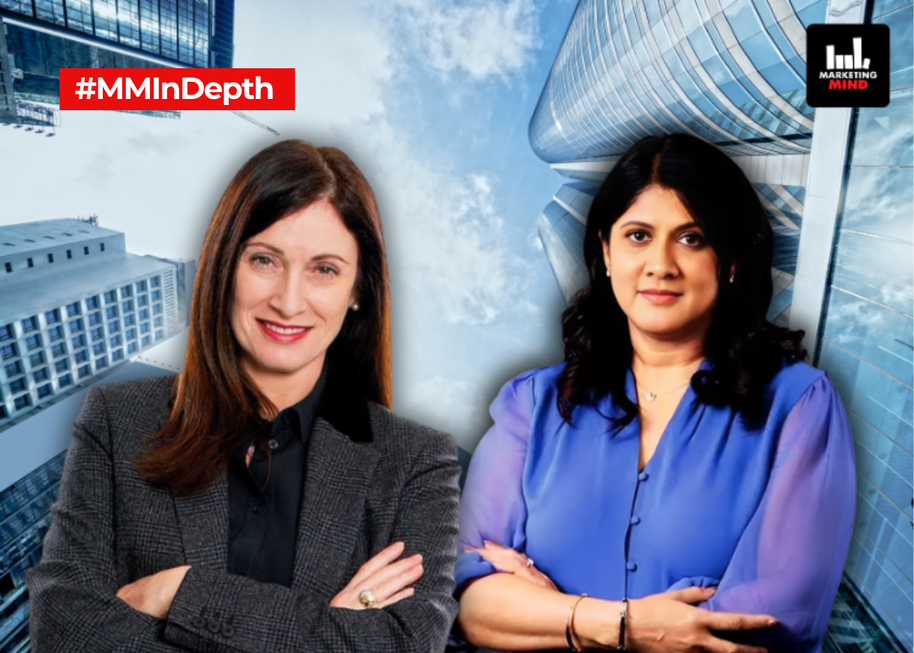
Hindustan Unilever (HUL), has named its first-ever woman CEO and MD, Priya Nair. Meanwhile, across the advertising universe, WPP, the world’s largest advertising agency group, appointed its first global female CEO, Cindy Rose.
For years, leadership in these corporations has mirrored an old boys’ club, suits, surnames, and sometimes, stifling sameness. But Nair and Rose didn’t just get seats at the table. They redesigned it.
Priya Nair: From Consumer Listener to HUL’s first woman CEO
When HUL announced Priya Nair as its new MD and CEO, it didn’t just mark a shift, it made history. For the first time in over 90 years, the Indian consumer giant is being led by a woman. And for those who’ve tracked Nair’s career, it’s not just deserved, it’s overdue.
Having joined HUL as a management trainee in 1995, Nair rose steadily, fueled by curiosity and an intuitive grasp of consumer emotion. She spearheaded campaigns like Daag Acche hain (Surf Excel), Wheel’s women empowerment, and Glow & Lovely’s repositioning, not just selling products, but reshaping cultural conversations.
“Big brands have the opportunity to create and lead conversations,” she said in an earlier interview, a philosophy she’s brought to life repeatedly.
Her appointment sent the market soaring, with HUL’s shares rising over 4.5% following the announcement. But the numbers only tell part of the story. For many in corporate India, this was more than a business decision. It was a signal. That women are no longer limited to ‘marketing’ roles. They’re running the whole show, finance, operations, supply chain and all.
Cindy Rose at WPP: A bold choice, or a risky one?
Across the globe, in the creative and chaotic world of advertising, Cindy Rose took the top seat at WPP, the world’s largest advertising company, becoming its first female global CEO.
Her credentials? Impressive: General Counsel at Disney, Managing Director at Microsoft UK, and most recently President of Microsoft’s Western Europe operations. But unlike Nair, Rose doesn’t come from a traditional advertising background, and that’s sparked both excitement and skepticism.
Some insiders wonder whether a tech-first leader can truly “get” the soul of creative communications.As per media reports, Cindy Rose’s appointment at WPP has stirred mixed reactions within the advertising industry. One industry executive pointed out that, given her background lies in technology and corporate leadership rather than media or creative, she may not approach the business through the traditional lens of storytelling and brand-building — a potential mismatch for a company so deeply rooted in the creative ecosystem.
However, others see her unconventional profile as a timely advantage. Ryan Kangisser, Managing Partner at MediaSense, noted that Rose brings a well-rounded blend of experience across entertainment, technology, and data — qualities that align closely with the evolving needs of an ad industry grappling with AI, automation, and digital transformation. For them, her appointment isn’t a deviation — it’s a deliberate leap toward future-ready leadership.
And perhaps transformation is exactly the point. In a time where agencies are grappling with automation, AI-generated content, and shrinking client trust, maybe a traditional ad executive isn’t what WPP needs. Maybe it needs a systems thinker, someone fluent in tech, data, content, and global culture.
Rose, for her part, described the move not as an industry hop, but a homecoming. “WPP is a company I know and love… this feels like coming home,” she said in her statement.
Who runs the world: GIRLS!
Nair and Rose now stand alongside a powerhouse league of women who’ve redefined what boardroom leadership looks like, not as outliers, but as forces of sustained, strategic change.
Indra Nooyi, as PepsiCo CEO, didn’t just increase profitability, she led the brand’s pivot toward healthier products, proving long-term thinking can co-exist with shareholder returns.
Revathi Advaithi, CEO of Flex, transformed a global manufacturing giant with a focus on gender equity, digitisation, and climate-resilient supply chains. She’s one of the few women globally leading a Fortune 500 industrial firm.
Leena Nair, who once led Unilever’s HR, now helms Chanel, bringing human-centric leadership into the heart of luxury fashion, where she’s championed employee wellness, cultural sensitivity, and sustainable couture.
Soma Mondal, as the former Chairperson of SAIL, helped a legacy Indian PSU record historic revenues, all while breaking stereotypes in a steel industry deeply rooted in male leadership.
And Roshni Nadar Malhotra, Chairperson of HCLTech, has shown that succession doesn’t mean stagnation. Under her, the company has leaned into digital innovation, while her philanthropic work in education and environment reshapes what a modern tech leader looks like.
These women didn’t just step into power. They reshaped its very definition, balancing scale with sustainability, profits with purpose, and competition with compassion. They weren’t anomalies. They were prototypes for the future.
Nair and Rose didn’t get where they are because of tokenism. They got there in spite of a system that rarely made space for them. Their presence at the top isn’t symbolic, it’s strategic. It’s what happens when you recognise that leadership shaped by empathy, systems thinking, and real-world understanding delivers results.
In boardrooms once dominated by greys and gatekeeping, Nair and Rose bring colour, clarity, and conviction. They don’t just belong, they lead. And for every young woman watching them today, wondering if her voice matters in a world built by men, these two just sent the loudest signal yet: “Your time isn’t coming. It’s here.”