







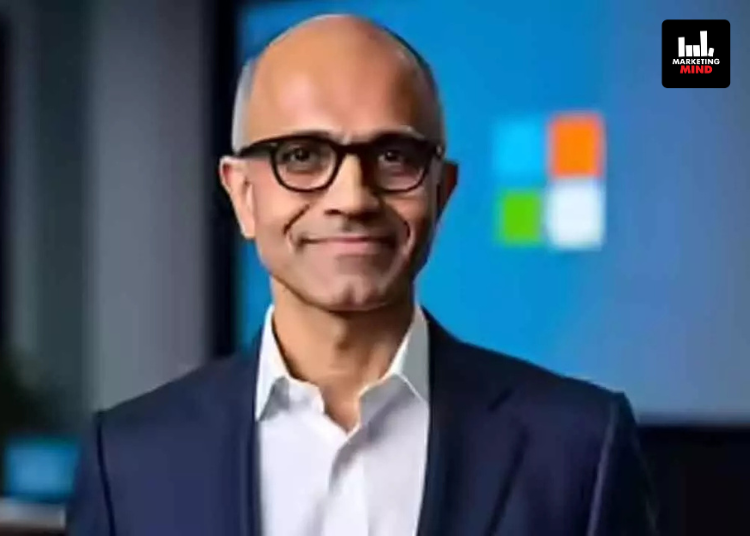
In a recent episode of the BG2 podcast hosted by investor Brad Gerstner, Satya Nadella said that Microsoft plans to resume hiring after a period of major layoffs but this time with a distinctly different model. “We will grow our headcount. But the way I look at it is that headcount will grow with a lot more leverage than what we had pre-AI,” he told Gerstner.
Microsoft ended its fiscal year in June 2025 with approximately 228,000 employees globally. The company had previously announced layoffs impacting approximately 15,000 roles earlier in the year, part of a broader effort to align costs and optimise operations. The planned expansion signals a shift in strategy: rather than simply increasing head-count, Microsoft is focusing on how those roles will integrate with and be amplified by artificial intelligence.
Nadella described the current phase as one of “unlearning and learning,” where the workforce is adapting to a new reality driven by tools such as Microsoft 365 Copilot, GitHub Copilot and other internal AI systems. “Right now, any planning, any execution, starts with AI. You research with AI, you think with AI, you share with your colleagues,” he said. He emphasised that future hiring will focus on roles that deliver higher leverage — meaning each new hire is expected to multiply impact rather than simply replicate previous functions.
One internal example shared by Nadella involved a data-centre executive who built AI agents to monitor and manage fibre-optic infrastructure. The implication is clear: functions traditionally managed by large teams might be handled by fewer people, but with much greater output thanks to AI assistance. This effort reflects Microsoft’s broader push into generative AI and enterprise cloud, where differentiation increasingly depends on scalable intelligence rather than scale of workforce.
Industry analysts see Microsoft’s approach as emblematic of a new era in tech hiring. After the rapid expansion of the workforce in the cloud and mobile boom years, companies are now prioritising “output per employee” through technology leverage. According to one analyst, “This is not just about hiring again — it’s about hiring differently.”
In India, the implications are significant. Microsoft has long operated major development centres and offices in cities such as Bengaluru, Hyderabad and Mumbai. The renewed focus on AI-enabled roles may lead to hiring of engineers, data scientists and product specialists who work alongside AI rather than purely traditional roles. As generative AI and Indian-specific data sets become more important, hiring in India could shift from large volumes to more specialised functions.