






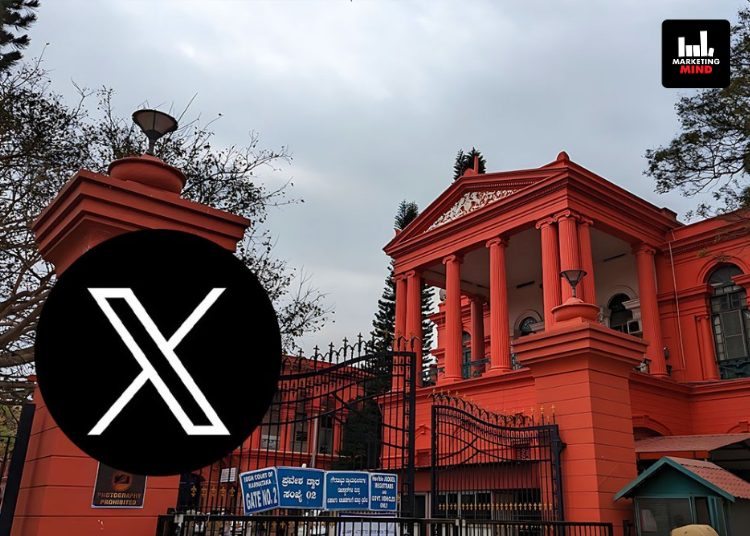
The Karnataka High Court has dismissed a petition filed by Elon Musk’s X Corp challenging the Centre’s Sahyog portal and the manner in which the government issues content removal notices to social media platforms. The court held that Sahyog is not a tool of censorship but a cooperative mechanism to regulate online space, strengthening the state’s authority to demand compliance from intermediaries.
The Sahyog portal was introduced by the Ministry of Home Affairs in October 2024 as part of the Indian Cyber Crime Coordination Centre. The platform was designed to streamline the way takedown notices are issued to intermediaries under Section 79(3)(b) of the Information Technology Act.
In March 2025, X Corp moved the High Court arguing that the portal was unconstitutional. Its plea maintained that removal orders issued via Sahyog bypassed the safeguards under Section 69A of the IT Act and the accompanying Blocking Rules, 2009. By calling Sahyog a “censorship portal,” X contended that the system lacked transparency and denied affected users a chance to be heard.
The court also heard concerns raised by intervenors such as Digipub News India Foundation, which pointed to the chilling effect such notices could have on digital publishers and free expression.
The court’s reasoning
Delivering the judgment, Justice M. Nagaprasanna rejected X Corp’s arguments as “without merit” and upheld the government’s authority. He stressed that free speech in India is guaranteed but not absolute, existing within the reasonable restrictions listed in Article 19(2) of the Constitution.
On the larger debate of whether global free speech standards apply, the judge was categorical: “American thought cannot be transplanted into Indian soil … even in the US, judicial thought process has gone a complete change.”
Calling Sahyog “an instrument of public good rather than public anathema”, he said the portal serves as a beacon of cooperation in the state’s effort to combat cybercrime.
The order was also scathing about how foreign platforms conduct themselves in India. “No social media platform can treat the Indian market as a playground without disregard. Liberty is yoked with responsibility. Privilege comes with accountability,” the court observed.
Justice Nagaprasanna underlined that only Indian citizens could invoke the fundamental right to free speech under Article 19. “A petitioner who seeks relief under Article 19 should be a citizen of the country,” he ruled. He went further to note: “The petitioner’s platform is from the USA. It chooses to follow laws of the USA. But the same petitioner refuses to follow similar takedown orders originating from India.”
The court also rejected reliance on the Supreme Court’s Shreya Singhal (2015) precedent as an absolute benchmark, pointing out that regulatory architecture has evolved with the 2021 IT Rules and needs to be interpreted afresh.
Wider implications
With this ruling, the High Court has reinforced the government’s ability to issue takedown orders through Sahyog without having to exclusively rely on Section 69A blocking powers. For social media companies, the decision narrows the room for invoking “safe harbour” protection if they ignore such notices.
The verdict also sets the tone for how India will deal with foreign platforms in the years to come. By clarifying that constitutional free speech protections do not extend to non-citizens, the court has drawn a sharp boundary for multinational tech companies operating in the country.
Legal observers believe the ruling could become a reference point in future battles over the scope of platform liability, freedom of expression, and the balance between regulation and innovation in India’s digital space.