






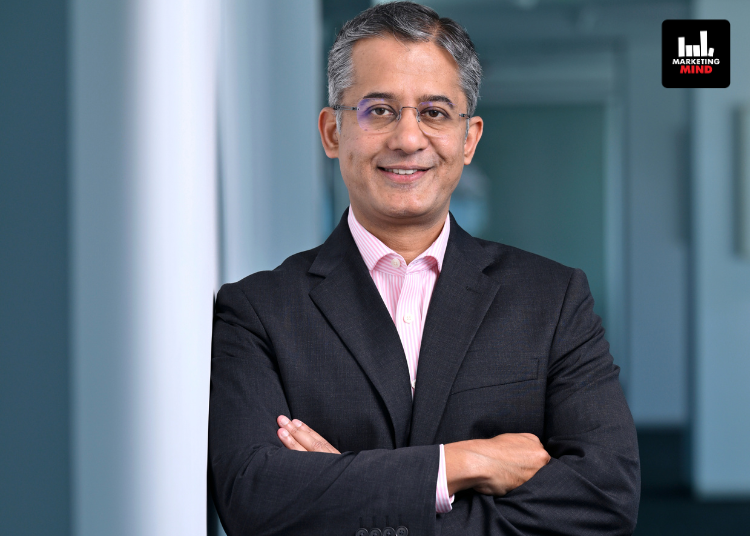
As the 25th edition of FICCI FRAMES kickstarted in Mumbai today, Kevin Vaz, CEO – Entertainment, JioStar and Chairman, Media and Entertainment Committee, FICCI, painted an optimistic picture of India’s M&E landscape- one that celebrates coexistence over competition. From the parallel rise of TV and digital in an “AND” market, to the unprecedented surge in sports viewership, regional cinema’s global footprint, and the AVGC sector’s shift from outsourcing to IP creation, Vaz highlighted how India’s creative economy is entering a phase of confident maturity.
With a thriving mix of technology, storytelling, and policy reforms, he noted, India today stands as a trusted global hub for content creation, production, and cultural exports.
He highlighted, “When FICCI FRAMES first began in 2001, we saw a defining moment: the Government of India formally granting industry status to the Media and Entertainment sector. This was more than semantics; it opened doors to institutional finance, enabling capital flows, investments, risk-taking in content creation, infrastructure and technologies. That moment showed us what advocacy, grounded in shared purpose, can do.”
“In the past two decades, we have 1) witnessed the rise of new media forms – satellite television, cable, the evolution of radio, then OTT, animation, VFX and more 2) grappled with regulation, debates over IP rights, content governance, fair taxation and 3) supported states in creating roadmaps: notably, the National AVGC-XR Mission, and state-level AVGC-XR policies (in Karnataka, Maharashtra, Telangana). These have been crucial in building the ecosystems that enable scale,” he added.
Furthermore, he went on to say that now, in this silver jubilee edition, the symbolism is profound. “RISE Together” is not just a theme – Reimagine, Innovate, Strengthen, Empower. It captures what FRAMES has always been and what it must continue to be. This 25th edition is the chance to look back with pride, but forward with sharper focus.
Highlights from Vaz’s address:
Co-existence of TV and Digital Media: Unlike many Western markets where digital has eroded traditional viewership, India continues to be a strong “AND” market. Both television and digital are thriving simultaneously, each adding unique value to consumers and advertisers alike. The TV ecosystem- spanning PayTV, FreeTV and Connected TV- is steadily expanding, complementing the rapid growth of digital to collectively grow the overall M&E pie.
Sports and Live Broadcasting: Sports consumption is at an all-time high. While cricket dominates, football, kabaddi, and esports are rapidly growing, with digital platforms offering multilingual feeds, interactive stats, and immersive fan experiences. To unlock the next leap, ease-of-doing-business reforms must enable more live broadcasting from India.
Regional and Films: Regional cinema and OTT have become global ambassadors of India’s cultural strength. South Indian films dominate box office shares, while India’s films win Oscars (RRR, The Elephant Whisperers) and global acclaim at Cannes, Berlin and beyond. Co-production treaties and a revitalized NFDC are powering cross-border storytelling.
AVGC, Gaming and Tech-led Storytelling: The AVGC sector has moved from outsourcing to original IPs, now supported by the National Centre of Excellence in Mumbai. Gaming too has become mainstream, with 500+ million users, esports gaining government recognition, and startups scaling globally with MeitY’s support.
Vaz emphasised that overall, India is now a trusted hub for cost-effective production, dubbing, and VFX services, with exports of content and co-productions rising steadily. With global OTTs, international film festivals, and platforms like Cannes and MIPCOM showcasing Indian talent, our stories are not just travelling – they are leading.
“As I stand here in our 25th edition, I feel a sense of both pride and urgency. Pride in what FRAMES has catalysed: policy wins, industry growth, a creative economy that employs millions, stories that captivate billions. But urgency – because the pace of change is accelerating and this calls for a stronger collaboration from business and policy-makers,” he said.
“One area where this urgency is most visible is in the regulatory environment. There are several issues that need a serious re-examination; regulation being foremost among them. The regulatory burden on linear broadcasting, for instance, has created an artificial price barrier that has increased regulatory costs and prevented TV broadcasting from innovating and competing.
Forbearance is something we have always advocated for, and if we are to realise the ambitious growth that we envisage for the M&E sector, a light-touch regulatory regime is the optimal approach, building on industry best practices and self-regulation,” he added.
Furthermore, he went on to say, “As we chart the road ahead, it is important to align with the Honorable Prime Minister’s vision of making India the content hub of the world. Broadcasting, which alone contributes nearly 40% of the Indian M&E industry, is central to realising this ambition. The growth of broadcasting is therefore paramount for the overall vitality of the Indian M&E sector.”
He concluded, “As we acknowledge these challenges, we must also recognise the extraordinary opportunity before us. I believe we are in a golden era for Indian media and entertainment. The tools are more powerful, the reach broader, audiences more diverse, creativity more irrepressible. The challenge is to ensure that the quality matches the ambition, that creators are empowered, that innovation is inclusive, and that India doesn’t just follow global trends – it sets them.”