






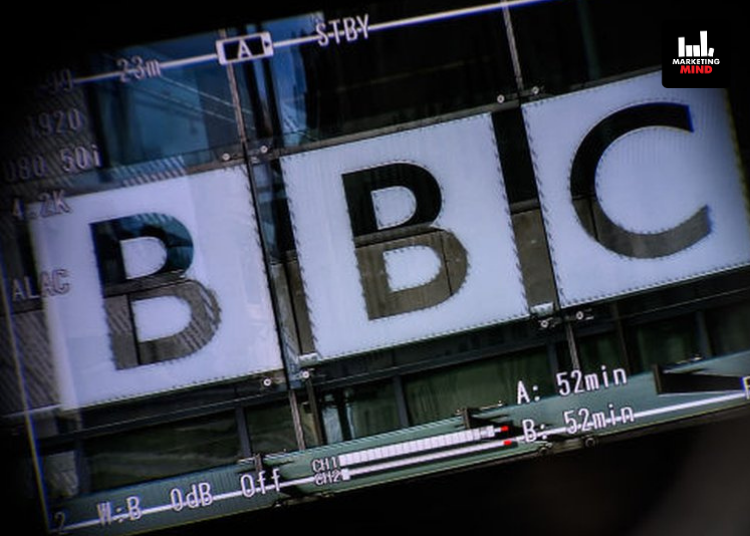
BBC has announced plans to cut up to 2,000 jobs over the next two years as it aims to reduce around 10% of its annual budget, amounting to approximately £500 million. The layoffs, shared during a staff call, mark the broadcaster’s largest workforce reduction in more than a decade.
As per media reports, the cost-cutting move has been driven by inflation, pressure on licence fee and commercial income, and broader global economic turbulence. Interim Director-General Rhodri Talfan Davies has stated in a staff email that the organisation is being transparent about the challenges despite the uncertainty created by the decision.
The broadcaster has earlier outlined that it is facing “substantial financial pressures” and has been planning to cut about a tenth of its budget by 2029, with most reductions expected to take place in the fiscal year beginning April 1, 2027.
The announcement has come ahead of Matt Brittin taking over as Director-General next month. He is set to succeed Tim Davie, who has stepped down alongside news head Deborah Turness following controversy over a misleading edit in a documentary related to Donald Trump and the events of the January 6 United States Capitol attack.
The broadcaster is also facing a $10 billion defamation lawsuit filed by Trump, which is expected to go to trial in 2027.
Funded primarily through an annual licence fee paid by U.K. households consuming live television or BBC content, the organisation continues to face increasing scrutiny. Critics, including rival broadcasters, have questioned the relevance of the fee in an era dominated by digital streaming.
The U.K.’s Labour government has indicated that it aims to ensure sustainable and fair funding for the BBC, although it has not ruled out replacing the current licence fee model. Founded in 1922, the BBC has grown into a global media organisation operating multiple television channels, radio stations, and digital platforms including its iPlayer streaming service.