






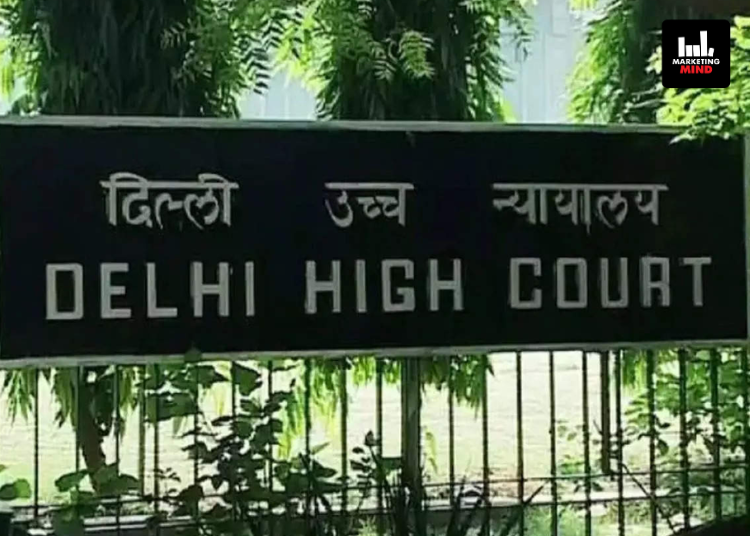
Google has told the Delhi High Court that it is impossible for YouTube to proactively monitor and remove unauthorised recordings of court proceedings uploaded on its platform, arguing that such a direction would be both legally untenable and technically unworkable.
As per reports, in an affidavit filed before the court, the tech giant said recordings are created outside YouTube and that the platform has no way of determining whether a video depicts court proceedings, whether it was recorded with permission, or whether it violates any law, especially given that rules governing court recordings differ across jurisdictions in India.
Google further argued that it cannot be expected to sift through millions of videos uploaded to YouTube to identify potentially unauthorised court recordings or prevent their re-upload. The company maintained that, under Indian law, its obligations arise only when specific videos are identified by their URLs and adjudicated as unlawful by a competent court.
Reports also suggest that the affidavit was filed in response to a plea by advocate Vaibhav Singh concerning the circulation of video clips from a Delhi High Court hearing in which former Delhi Chief Minister Arvind Kejriwal personally addressed the court in his recusal application before Justice Swarana Kanta Sharma in the excise policy case. Unauthorised recordings of the proceedings had gone viral on social media, prompting concerns over the sanctity of judicial proceedings.
Google also reiterated that intermediaries cannot be required to act as arbiters of disputes concerning third-party content or function as “super censors” by actively monitoring user-generated content. The company said it had already removed or blocked access in India to the specific videos identified in the petition.
The matter could have wider implications for intermediary liability in India and may shape future expectations around the responsibilities of digital platforms in policing sensitive judicial content online.