





When Lollapalooza India has unfolded on Indian soil, it has reinforced a larger shift underway in brand marketing, one where cultural relevance has increasingly outweighed transactional visibility. For premium and luxury portfolios, the festival has not merely been another sponsorship opportunity; it has been a living ecosystem where brands have been experienced, shared and remembered.
Across industry reports from media, marketing and live-entertainment bodies, large-scale music festivals in India have consistently been positioned as high-engagement platforms rather than pure reach vehicles. Marketers have been evaluating these IPs less through rate cards and more through the depth of interaction they have enabled, a lens that has aligned closely with Diageo India’s thinking.
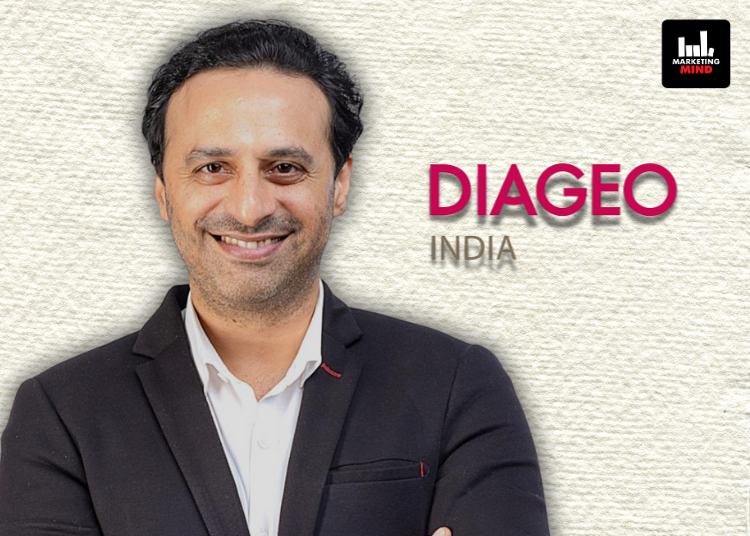
“When we evaluate large-scale cultural platforms, our focus has been on the quality and longevity of engagement they enable, rather than on isolated inputs or short-term benchmarks,” said Varun Koorichh, VP Marketing, Luxury and Premium Portfolio, Diageo India.
This emphasis on engagement quality has reflected a broader industry consensus: festival environments have allowed consumers to spend longer durations with brands, interact more actively and organically share experiences across social platforms. Reports published over the past year have consistently pointed to this convergence of physical experience and digital amplification as the core strength of live cultural IPs.
At Lollapalooza India, Diageo’s multi-brand presence has been designed around clearly defined cultural roles rather than uniform visibility. Each brand within its premium and luxury portfolio has been activated to serve a specific consumer mindset.
“Each brand in our premium and luxury portfolio has been activated with a clear and differentiated role,” Koorichh explained.
“Johnnie Walker has been positioned to maximise discovery and sampling at scale through high-energy, immersive touchpoints that continue into partner venues and retail ecosystems. Tanqueray has translated the cultural pulse of the festival into digital-first narratives around confidence and individuality, while Black & White has used art and co-creation to foster inclusivity and sustained emotional resonance.”
Reports have repeatedly highlighted that such differentiated activation strategies have become critical as festival clutter has increased. Brands that have treated festivals as extensions of their storytelling, rather than logo-heavy sponsorships, have tended to see stronger cultural recall and post-event momentum.
The comparison between festival sponsorships and high-reach properties such as sports leagues or OTT premieres has also evolved. While traditional mass media properties have continued to deliver scale, marketers have increasingly acknowledged that cultural IPs have delivered something harder to buy: contextual relevance. Multiple marketing and media think-tanks have noted that festivals have allowed brands to integrate seamlessly into moments of passion, identity and self-expression, particularly among younger audiences.
For Diageo, the value of Lollapalooza has not been tied to a single deliverable.
“The strength of these platforms lies in their ability to create continuity, connecting physical experiences with social conversation and eventual consumption,” Koorichh said.
This ecosystem approach, where on-ground engagement has flowed into social advocacy and later into retail and on-trade interactions, has been widely recognised as one of the defining advantages of live cultural IPs. Industry commentary has consistently suggested that when executed well, such platforms have blurred the line between media, experience and commerce.
As India has cemented its position as a regular stop on global touring circuits, marketers have also been reassessing the role of live IPs within long-term media planning. Rather than being treated as tactical, trend-driven spends, festivals like Lollapalooza have increasingly been evaluated as strategic brand-building platforms.
“When done well, this ecosystem approach has allowed us to build relevance and aspiration over time, ensuring our brands remain culturally connected and meaningfully present in consumers’ lives beyond the event itself,” Koorichh added.
In an era where attention has fragmented and consumers have grown more selective about what they engage with, Lollapalooza India has reinforced a simple truth for premium marketers: cultural presence, when sustained and authentic, has delivered value that no single media metric can fully capture.