






The New Year is a strange place on the internet. Everyone is collectively hungover, emotionally optimistic, mildly anxious, and aggressively scrolling. And in the middle of this annual identity crisis, brands show up with one job: don’t be boring.
Because “Wishing you a prosperous New Year” just doesn’t cut it anymore. Not when audiences expect humour, self-awareness, cultural timing and, most importantly, a personality.
As 2026 knocked on the door, brands across categories ditched the predictable and leaned into what social media truly loves: memes, mood, and meaning (sometimes all three at once). From travel brands selling hope, to snack brands delivering punchlines, here’s a look at how brands rang in the New Year, one scroll-stopping post at a time.
Zomato
If the New Year had a flavour, Zomato made sure it tasted familiar. The brand leaned into humour. It wasn’t aspirational, it was relatable, which, on the internet, is aspirational enough.
Durex
Subtlety? Optional. Timing? Perfect.
Durex welcomed 2026 with its trademark innuendo-led humour, reminding everyone that while the year may change, some habits (and safe choices) shouldn’t. The brand once again proved that when you understand your voice deeply, you don’t need to shout, a clever line is enough to do the talking.
Goibibo
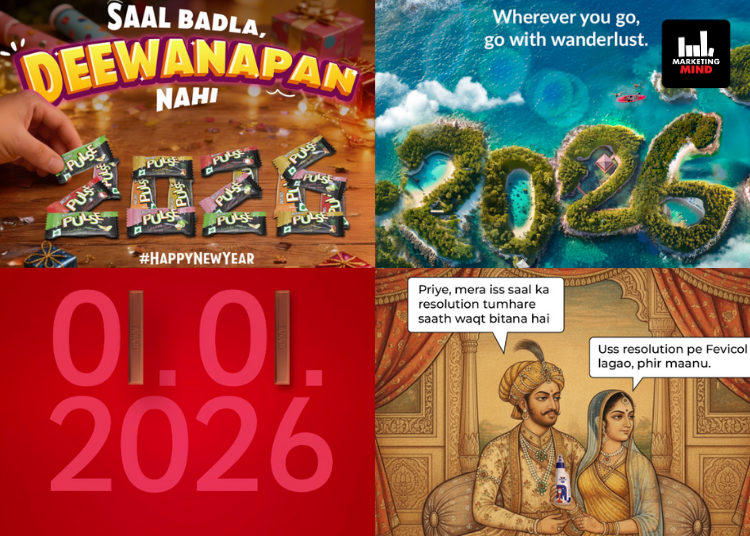
While most of us were still figuring out what day it was, Goibibo was already thinking ahead. The brand’s New Year wish tapped into wanderlust and the universal post-midnight thought: “I need a break.” With a tone that balanced optimism and practicality, Goibibo positioned 2026 as a year waiting to be booked, preferably at the best price.\
Cleartrip
Cleartrip’s New Year message felt calm in the chaos. Instead of loud celebrations, the brand leaned into clarity, fresh starts and the idea of smoother journeys, both literal and metaphorical. In a feed full of noise, Cleartrip chose restraint, proving that sometimes the most confident posts whisper instead of scream.
redBus
redBus took the road less travelled, quite literally. Its New Year post celebrated movement, reconnecting, and the quiet joy of going home or heading somewhere new. There was nostalgia in the message, paired with purpose, making it feel less like an ad and more like a gentle nudge to get going.
Croma
Croma’s New Year wish was all about upgrades, not just of gadgets, but of life itself. The brand cleverly played on the idea of “new year, new tech”, positioning its products as enablers of better habits, smarter routines and shinier versions of everyday living. Because in 2026, even resolutions come with a power button.
MakeMyTrip
If optimism had a boarding pass, it would probably say MakeMyTrip. The brand’s New Year greeting leaned into dreams, destinations and deferred plans finally finding their moment. It was hopeful without being unrealistic, a reminder that even if you don’t know where you’re going this year, at least you know who to book with.
Manforce
Manforce didn’t hold back. Staying true to its bold tone, the brand’s New Year post blended humour with confidence, making sure it stayed cheeky without crossing the line. It was playful, current and unmistakably Manforce, proof that consistency in voice is the strongest New Year resolution a brand can make.
Wendy’s
Sharp. Self-aware. Slightly savage. Wendy’s entered 2026 exactly how the internet expects it to, with wit and just enough attitude. The brand’s New Year wish felt less like a greeting and more like a perfectly timed tweet, reminding everyone that personality-led branding doesn’t need occasions; it just uses them well.
KitKat
KitKat took a break, literally. Its New Year message stayed true to the brand’s core idea of pausing, reflecting and easing into the year. In a world obsessed with instant transformation on January 1, KitKat’s softer, more human take felt refreshingly kind.
Fevicol
Fevicol did what it does best, stuck the landing. The brand’s New Year wish used visual wit and cultural insight to create a post that lingered longer than most. Equal parts clever and comforting, it once again proved that when creativity is glued together with insight, it holds.
Tata Nexon
Tata Nexon’s New Year post was rooted in confidence and forward motion. With a focus on journeys, resilience and moving ahead stronger, the message felt aligned with both the brand and the mindset of a new year. It wasn’t flashy, it was reassuring, which in 2026, feels powerful.
Wakefit
Wakefit kept it real. Its New Year greeting tapped into sleep, rest and the universal desire to finally get life (and bedtime) sorted. With humour that felt self-aware rather than preachy, Wakefit reminded everyone that not all resolutions need hustle, some just need better rest.
Pulse
Pulse brought the spice. Known for its cult following and sharp social presence, the brand’s New Year post had just the right amount of sass and surprise. It didn’t try to be motivational, it tried to be memorable. And on social media, that’s often the smarter goal.
If there’s one thing brands collectively proved while welcoming 2026, it’s this: the New Year isn’t about saying something new, it’s about saying something true.
Whether through humour, warmth, nostalgia or straight-up sass, these brands understood that audiences don’t want grand speeches, they want moments that feel like they belong on their feed. And as social media continues to evolve, one thing remains unchanged: the brands that win are the ones that feel human, even when they’re selling.
Here’s to a year where brand posts continue to make us pause, laugh, and occasionally screenshot. Happy scrolling, 2026.