






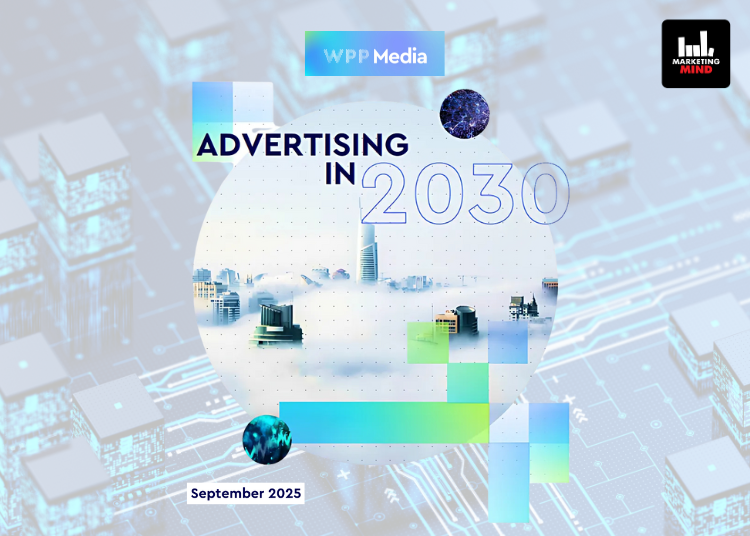
Picture this: it’s 2030, and you no longer waste time with customer service or hunt for discount codes. Your AI assistant does it for you, quietly negotiating with a brand’s chatbot while you get on with your day. WPP’s Advertising in 2030 report, based on the views of 62 industry experts, predicts that this bot-to-bot economy is the defining shift of the decade.
But the story of 2030 doesn’t stop at digital assistants whispering on your behalf. It stretches into how we prove who we are, how brands create content, how we shop, and how we justify our choices at the checkout.
Biometrics Will Replace Passwords, But Privacy Will Stay Fragmented
By the end of the decade, typing in passwords will feel ancient. 82% of experts expect biometrics, fingerprints, facial scans, and even voice, to become the default keys for everything from banking to shopping. Yet, while convenience will unify consumers globally, privacy will fracture. Three-quarters of experts dismiss the idea of a single global privacy framework. Instead, a patchwork of rules will define how data flows across regions.
AI Will Take Over the Creative Floor
That stunning commercial you’ll see in 2030? It probably won’t have been built by humans alone. 71% of experts believe AI will generate most creative content, from ad campaigns to films to music. Humans will still dream up the big ideas, but machines will do the grinding work of producing thousands of versions in seconds. Creativity will shift from hand-crafted to machine-scaled.
Bots Will Speak Louder Than People
The most radical change will happen in silence. Two-thirds of experts predict that by 2030, most brand-consumer interactions will be bot-to-bot. Your AI assistant will book your flights, renegotiate your bills, and block irrelevant ads before you even notice. Yet, in the luxury market, human touch will still reign. When the purchase is personal, a diamond, a couture dress, or a bespoke car, no bot will be allowed to close the deal.
VR Will Wait, Phones Will Rule
Despite years of hype, the metaverse won’t dethrone the smartphone. Not a single expert believes AR or VR devices will outsell phones by 2030. Headsets will remain clunky, niche, and socially awkward, while the smartphone will stay king. VR may still find a role, but the small screen in your pocket will continue to be the gateway to media, shopping, and advertising.
Price Will Outweigh Planet
Once upon a time, sustainability was expected to rival price as the decisive factor in shopping choices. By 2030, reality will be harsher. Nearly 75% of experts agree price will matter more than eco-consciousness. Consumers will want to care, but only if it doesn’t cost extra. The green premium won’t survive inflation and cost-of-living pressures.
Subscriptions Will Stall, Micropayments Will Miss Again
The dream of everything-as-a-service will lose its shine. Two-thirds of experts predict subscriptions won’t extend beyond digital services and a handful of categories. Consumers will reject monthly toothpaste bills. At the same time, micropayments will once again fail to scale, with 68% of experts dismissing them as viable alternatives. Old standbys, ads and traditional subscriptions, will still dominate revenue models.
Advertising Will Stay Everywhere, Just Quieter
Even with ad-blockers and paid options, advertising will remain impossible to escape. It won’t vanish; it will camouflage. From smart outdoor screens to AI-curated feeds, ads will feel less like interruptions and more like part of the environment. Advertising’s persistence will prove its greatest strength: always evolving, never disappearing.
The Bottom Line: Bots Will Negotiate, Brands Will Adapt
By 2030, the consumer economy won’t be about brands persuading you directly. It will be about persuading your AI, the digital twin that negotiates, filters, and decides on your behalf. Humans will still sign off on purchases, but bots will have done the talking. And through it all, advertising will remain what it has always been: everywhere, adapting to every new channel, and shaping every transaction.
Welcome to the bot-to-bot economy. You might not even notice it happening, because your assistant will already be on the call.