







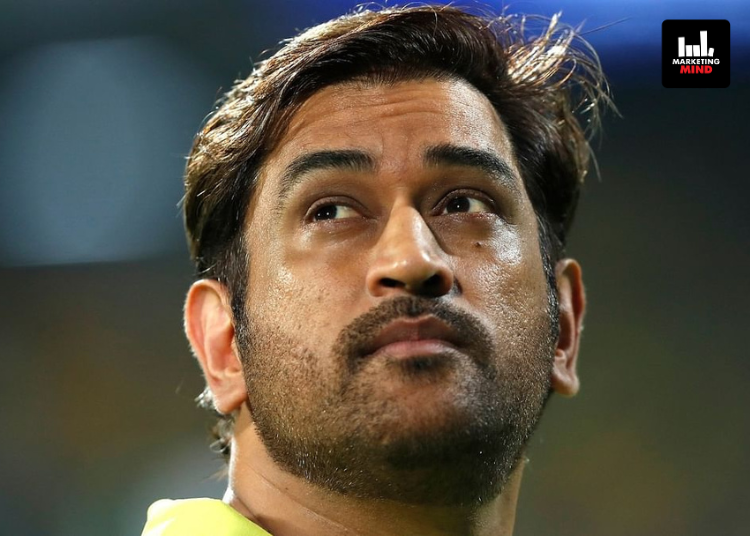
A Delhi-based lawyer has formally opposed former Indian cricket captain Mahendra Singh Dhoni’s attempt to trademark the phrase “Captain Cool”, citing multiple procedural lapses, lack of proof of prior usage, and the generic nature of the term.
Dhoni’s application, originally filed in June 2023, was “accepted and advertised” by the Kolkata Office of the Trademarks Registry in June 2025. The mark was officially published in the Trademarks Journal on June 16, 2025. According to protocol, any party wishing to oppose it must do so within 120 days of publication.
Read more: MS Dhoni’s Application To Trademark “Captain Cool” Accepted Officially
As per media reports, the firm questioned the basis on which the Registry accepted Dhoni’s application. Advocate Nilanshu Shekhar, leading the opposition, stated that Dhoni had initially filed the trademark on a “proposed to be used” basis. It was later amended to claim use since 2008 allegedly without submitting the required supporting evidence such as affidavits, invoices, or advertising materials.
The firm argued that no commercial documentation was provided to establish that the term “Captain Cool” was being used in connection with Dhoni’s ventures in Class 41, which includes education, sports training, and entertainment services.
The opposition has argued that “Captain Cool” is a common, descriptive term in the sports world and not exclusive to Dhoni, noting it has been used for other players before being linked to him. They contend that the phrase lacks the distinctiveness needed for trademark protection, especially without proof of secondary meaning.
The firm also highlighted procedural lapses, including unresolved prior trademark citations and the Trademarks Registry’s failure to issue mandatory rectification notices during the application process.
If no additional objections are raised before the 120-day deadline (which ends in mid-October), and the current opposition is settled in Dhoni’s favour, the trademark could still be approved. However, this dispute has the potential to delay or disrupt the approval process.