






In April 2025, Hindustan Unilever Ltd (HUL) completed its acquisition of a 90.5% stake in Uprising Science, the parent company of the popular skincare brand Minimalist, for Rs 2,706.44 crore. The deal was seen as a major move by HUL to deepen its presence in the direct-to-consumer (D2C) personal care space.
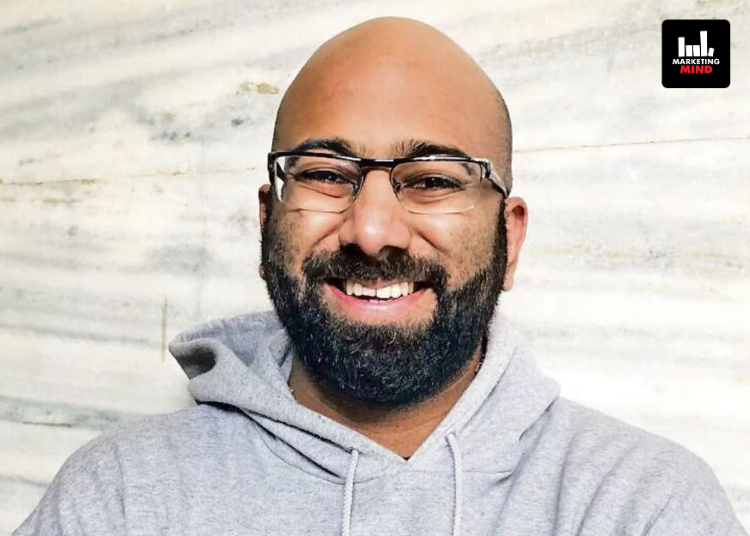
But Shantanu Deshpande, Founder and CEO of Bombay Shaving Company, shared a thought-provoking perspective on LinkedIn about where Minimalist might be headed next.
“I am willing to bet that the brand Minimalist will die (or cease to exist in any meaningful way) in the next 3–5 years,” Deshpande wrote.
Deshpande’s perspective is not a complete criticism, it reads more like a reflection on how acquisitions often unfold in India’s consumer brand ecosystem. He points out that with the founders of Minimalist exiting the company post-acquisition, and the HUL executive who championed the deal also no longer at the company, the brand is entering a new phase of uncertainty.
“The founders are gone. They sold for a whopping Rs 3,000 crore, made Rs 2,000 crore for themselves, Rs 1,000 crore for others, and have left. It was the right thing to do. I would have done the same,” he wrote.
With new leadership now at the helm of HUL and no clear internal champion for Minimalist, he suggests the brand risks losing the strategic focus and autonomy that helped it thrive.
Deshpande also talks about the common post-acquisition hurdles, such as balancing innovation with the acquiring company’s core priorities, or trying to maintain a startup’s pace inside a legacy structure.
“Competition is quick to swoop in,” he notes, pointing out how similar skincare offerings are rapidly entering the market. “Not hard to copy a copycat, frankly,” he adds candidly, suggesting that Minimalist’s differentiation may be harder to protect going forward.
He also raises concerns around the financial expectations that often come with integration into a larger parent company, such as pressure on ROAS (Return on Ad Spend) and ROCE (Return on Capital Employed).
Minimalist has grown into a Rs 400–500 crore brand, profitable, product-led, and well-positioned in India’s booming skincare market. That success, however, may now face new tests as it becomes part of a much larger organisation with different rhythms and expectations.
Deshpande sums it up with a degree of concern but without any animosity. “A brand at Rs 400–500 Cr, profitable, well run, will likely become a zombie business (there but why, no one knows) with the shareholders being Rs 3,000 Cr poorer.”
At the same time, he acknowledges the scale of HUL’s portfolio, and that Minimalist makes up a small slice of its overall value. “But it’s under 1% of HUL’s market cap so who even cares,” he signs off, adding a note of humility and hope, “I so so so badly hope I’m wrong.”
Whether Minimalist’s next chapter will prove Deshpande right or wrong remains to be seen. But his post brings to the surface important questions about how large companies can nurture, or unintentionally dilute, the spark that makes D2C brands stand out in the first place.