







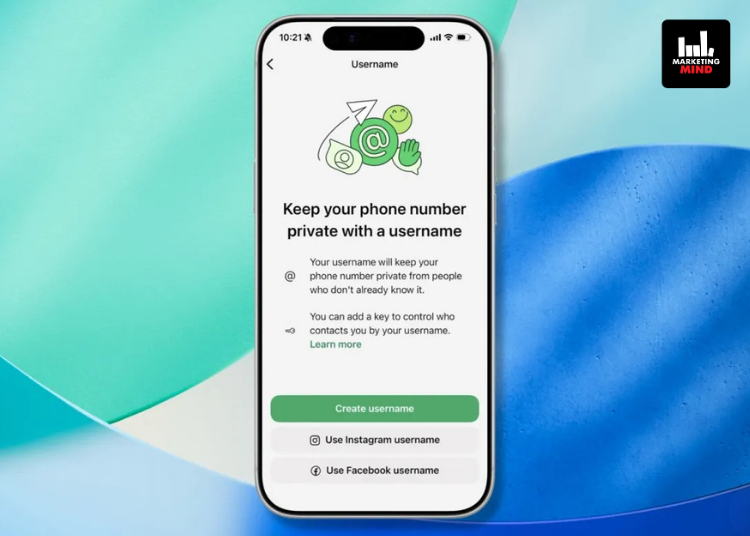
The government has begun assessing the potential risks associated with WhatsApp’s planned username feature amid concerns that it could be misused for impersonation and fraud. The feature, announced by Meta-owned WhatsApp, will allow users to communicate without sharing their phone numbers by using optional usernames instead.
The move has come under the government’s scrutiny, as per media reports, with sources indicating that the feature could enable users to adopt usernames resembling those of legitimate organisations, agencies and individuals, potentially increasing the risk of fraud and impersonation.
WhatsApp has introduced the feature to let users reserve optional usernames by navigating to Settings > Account > Username on the latest version of the app. It has also launched a username generator to help users choose unique handles.
The platform has provided an option for content creators, small businesses and organisations to claim their existing Instagram or Facebook usernames on WhatsApp to maintain a consistent online presence. Early reservations for usernames have already opened, while the feature is scheduled for a broader rollout later this year.
According to WhatsApp, there will be no public directory for browsing usernames. Users will need to know a person’s exact username to initiate contact, and an optional username key will be available to help control who can message them.
Once the feature has been fully rolled out, users who have enabled usernames will no longer have to display their phone numbers when messaging a person or business for the first time. WhatsApp has said the feature is intended to enhance user privacy, particularly in group chats and when connecting with new contacts.
The company has stated that the feature will be rolled out gradually over the coming months, with users receiving in-app notifications once it becomes available in their respective countries.
Government sources have expressed concerns that the feature could have implications for public safety and society if misused for impersonation. They have also maintained that the government will not compromise on national security or public safety while assessing the feature.
The proposed usernames feature has also drawn concerns from industry observers and entrepreneurs, who have cautioned that similar-looking usernames could make it easier for scammers to impersonate public figures, businesses and organisations. Cybersecurity experts have similarly noted that while usernames could improve user privacy, they could also create new avenues for identity impersonation if adequate safeguards are not implemented.