





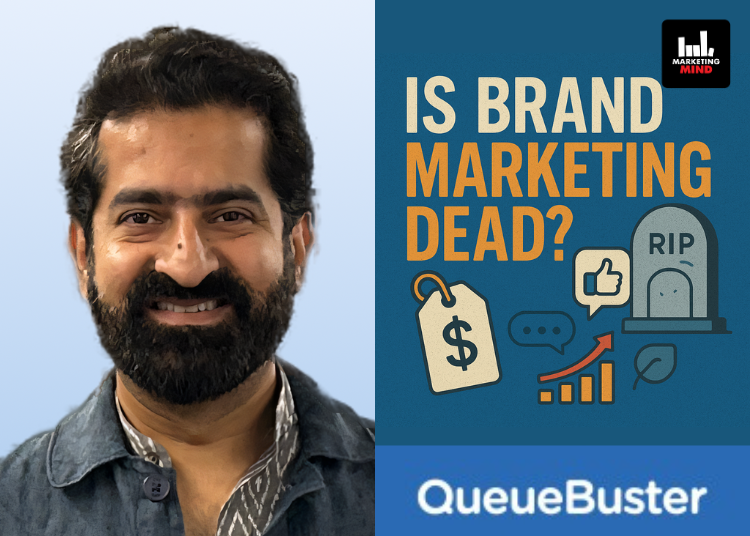
In today’s world of instant clicks, viral trends, and performance marketing campaigns, one question keeps popping up – Is brand marketing still relevant? With all the focus on ROI, ROAS, conversions, and the latest martech tools, it’s easy to think brand building is a thing of the past. But that’s far from the truth. In fact, branding matters now more than ever.
How we got here: The rush for instant results
Over the last few years, marketing has become all about speed. Everyone wants quick wins – moment marketing, snackable content, viral videos, memes, paid campaigns that deliver instant clicks and results. This shift didn’t happen overnight, it arguably began with Google. Remember the surprise when Google started playing with its iconic typeface logo through “Doodles”? What was once a sacrosanct symbol of identity became dynamic, hinting at a future where flexibility trumped rigid guidelines.
Then came the social media revolution. Brand communication ceased to be a one-way monologue. Brands were suddenly expected to engage, converse, and respond in real-time, ushering in an era of unprecedented flexibility in their online persona. Strict brand guidelines often gave way to the demands of real-time engagement. E-commerce and digital advertising pushed this trend even further. Campaigns were considered successful only if they generated direct revenue and seen as failures if they didn’t. The subtle art of building long-term brand equity took a back seat to the race for instant conversions and quick visibility.
What we’re seeing now: Constant change, Less consistency
Today, we observe brands constantly tweaking their fonts, their ad layouts, even the very look and feel of their advertisements (print and digital both). Rigid brand guidelines, particularly on social platforms, often appear to be a thing of the past.
Now, with Artificial Intelligence (AI), we’re witnessing creative homogenization. While AI offers unparalleled speed and expands creative possibilities, it can also lead to “sameness” in visuals. We’ve observed this with AI-generated images for food brands, where exclusive photoshoots are replaced by visually similar outputs. It’s efficient, yes, but at the cost of distinctiveness?
Some brands even jump on humorous trends or invite stand-up comedians to “roast” them. It’s entertaining, may be yes – but is it really helping build long-term brand value? Or is it just a fleeting moment of buzz that spikes website traffic for a day and then fades away?
Yet, amidst all the buzz of moment marketing and constant reinvention, some brands continue to dominate mindshare. What happened to the core idea of brand positioning? The tagline that lasts for decades? The small, intentional cues that make a brand instantly recognizable – like Coca-Cola’s iconic red, McDonald’s golden arches, Nike’s swoosh or Apple’s minimalistic branding. These aren’t just design choices; they’re consistent brand nuances that build familiarity, trust, and long-term recall.
Why is brand marketing more crucial than ever?
The perceived death of brand marketing stems from a fundamental misunderstanding of what a brand truly is. It’s not just a logo or a catchy tagline; a brand is a sum total of different interactions customers have with it. It’s how they feel and want to be perceived when they are consuming the brand.
Here’s why brand building is still essential:
It builds trust. Performance marketing gets you clicks but trust gets you customers for life. A strong brand stays top of mind, even before someone starts searching.
It helps you stand out. When everything looks and sounds the same, your brand is what makes you different. It’s your voice, your values, your personality, your story – things an algorithm can’t copy and AI can’t replicate.
It lets you charge a premium. People willingly pay more for brands they believe in. Whether it’s quality, aspiraLon, or emoLon – brand percepLon drives pricing power and loyalty.
It strengthens employer branding. A great brand doesn’t just attract customers, it organically attracts talent too. People don’t just want a job; they want to work with brands that stand for something meaningful.
It’s all about consistency. Reels, memes and ads are just tools. What matters is a consistent tone, message, and experience. That’s how you build recall, trust, and long-term equity.
Brand + Performance = The winning formula
The future of marketing isn’t about choosing between brand and performance – it’s about creating a strategic alliance between the two. Use social media trends to stay relevant, performance marketing to drive immediate results, AI to create content and data to gain precise consumer insights. But don’t sideline brand marketing. It provides the emotional context, deeper meaning, and long-term connection that turns one-time clicks into eternally loyal customers. Brands must learn to be strategically flexible without compromising their core identity. They need to adapt to new platforms, embrace moment marketing, yet stay true to their brand ethos.
Google’s Doodles were an early masterclass in this – playful, timely, but always recognizably Google. More recently, Zomato has struck the right balance. They excel at riding trends while staying consistent with their brand colors and tone, building long-term equity without diluting their brand salience.
Today’s marketers need to be sharper than ever, combining the instant gratification of the digital world with the timeless equity of strong brand building. It’s about blending marketing fundamentals with fleeting trends and knowing when to lead with each.
Final words: Brand isn’t dead, it’s just evolving!
So, is brand marketing dead? Not at all. It’s just evolving with the times. Yes, trends, tools, and channels will keep changing at lightning speed – but the human need to connect, trust, and belong will always stay the same. In the long run, the brands that truly stand out will be the ones that understand this – whether it’s a click, a video view, or a quick glance at a print ad; every touchpoint tells a story. A story that reflects the brand’s values, its voice, and what it truly stands for.
The long game of brand-building is not just alive; it’s the ultimate differentiator in an increasingly noisy world.